
Robot Mowing by the Numbers: Everything We've Measured
Spec sheets are written by marketing departments. These numbers weren’t.
Everything below was measured by us — on customer installs, on our own demo units, or on the test bench — and each one links to the full write-up where we measured it. If you’re deciding whether a robot mower fits your property, these are the numbers we’d actually plan around. (For aggregate data from hundreds of mapped lawns, see our robot lawn mower statistics page — this post is the field-and-bench companion to it.)
Signal & positioning
| What we measured | The number | Where we measured it |
|---|---|---|
| RTK range, clear line of sight | ~600 ft | Paoli, PA range test |
| RTK range through mature trees | Meaningfully less — degrades fast | Same test, same yard |
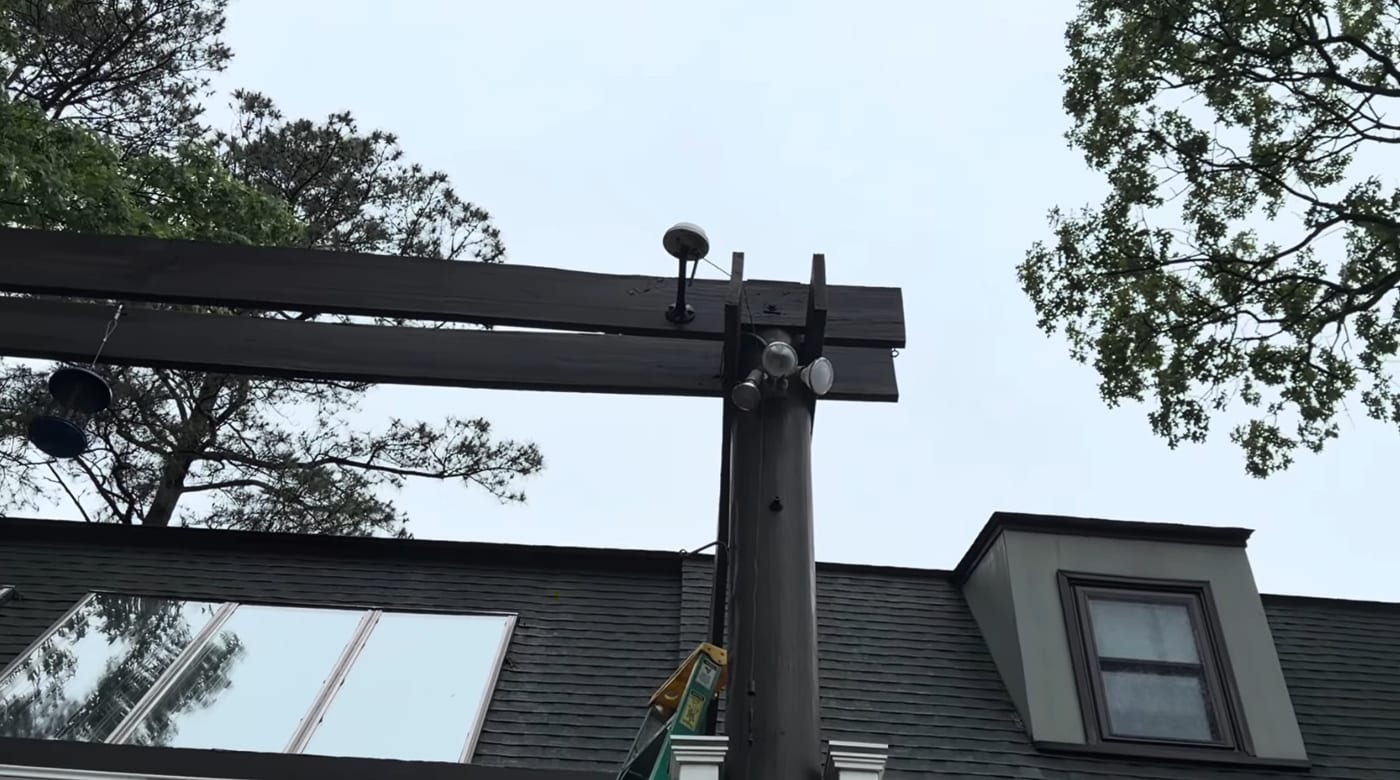
| Highest antenna mount we’ve needed | 25 ft (above canopy, after two installers walked away) | RTK placement rules |
| Outdoor WiFi extender coverage | 250–300 ft dependable range, from a ~$160 unit | Shed extender fix |
The theme: positioning is a real-estate problem, not a mower problem. The four antenna rules decide more than the brand does.
Blades & cutting
| What we measured | The number | Where we measured it |
|---|---|---|
| Blade life to “can’t cut a single blade of grass” | ~30 days of daily mowing (OEM and coated) | Titanium vs OEM test |
| Replacement interval we plan around | Every 4–6 weeks, new screws every time | Blade replacement guide |
| OEM vs “titanium” blade weight | 2.5 oz vs 2.0 oz per 20 blades — OEM ~25% heavier | Titanium vs OEM test |
| Edge sharpness, new and worn | OEM sharper both times, on a laser edge reader | Titanium vs OEM test |
| Blades a Navimow disc actually accepts | 9 per disc via factory holes (ships with 6) — 18 total, +50% edge | The 18-blade setup |
| Deck cleaning | ~5 minutes, every 1–2 weeks in season | Cleaning guide |
The number that changes behavior: both blade sets were done at 30 days. The interval matters; the brand doesn’t — and the disc has three empty slots if your grass needs more edge.
Capacity & terrain
| What we measured | The number | Where we measured it |
|---|---|---|
| Most lawn on one Navimow X450 (rated 1.5 ac) | 1.91 acres mapped — 27% past the rating | Lewes, DE install |
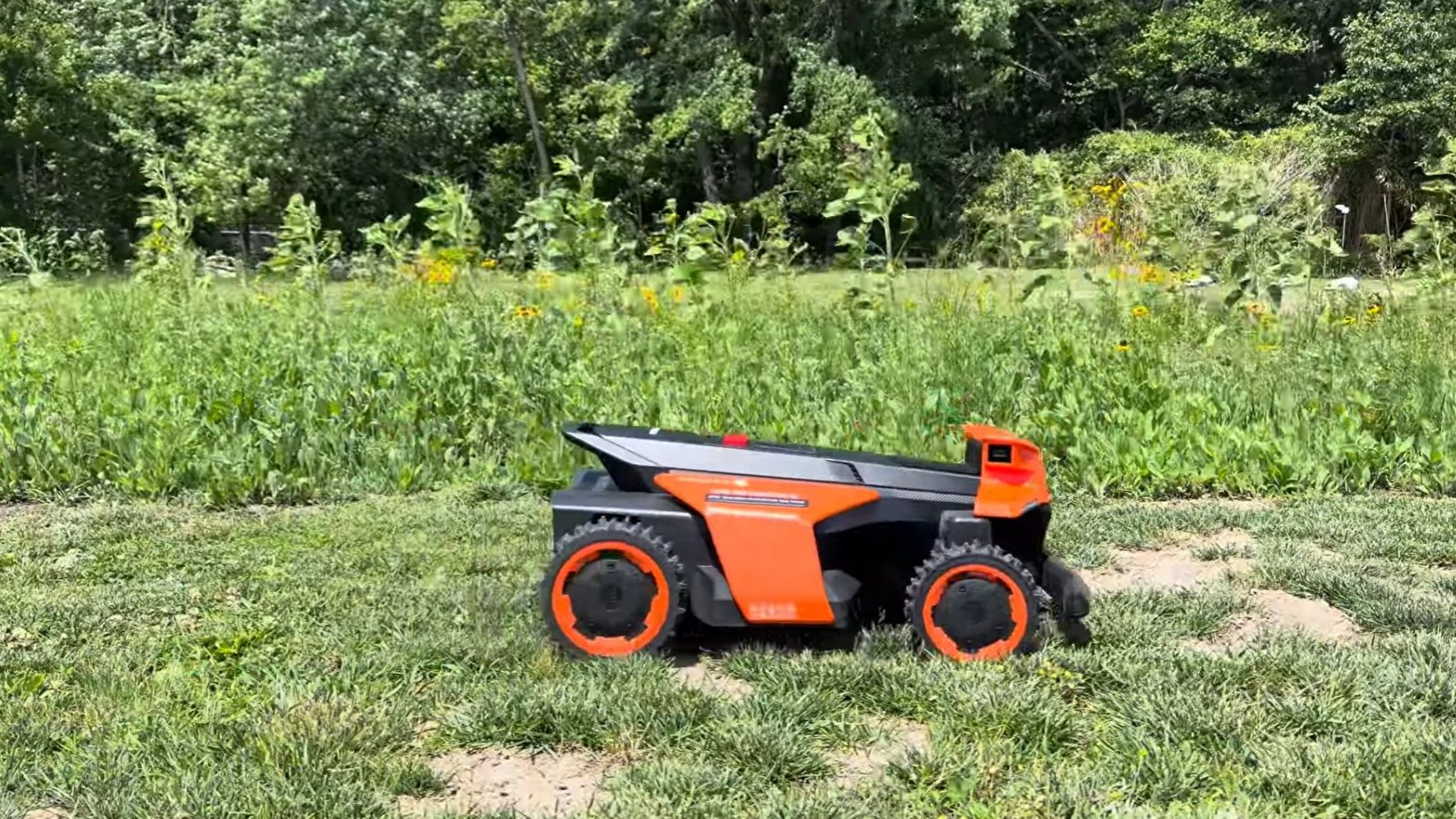
| Real daily output of a 6-acre-rated Terranox | ~1 acre per day per unit (the rating is a 24/7 lab number) | The real math behind 6 acres |
| Biggest system we’ve designed | 12 acres, 10 robots (5 Yarbo + 5 LUBA 3), zero gas mowers | Eastern Shore case study |
| Steepest grade climbed in our field test | 84% (~40°), clearing 2-inch obstacles | Slopes field test |
| Steepest real property running daily | 40° Pennsylvania mountain slopes, no cell coverage | Pine Creek mountain install |
| Strongest residential slope rating | ~80% grade (≈39°) | Best for hills & slopes |
Two honest asymmetries hiding in there: a right-sized mower on an open lawn can beat its rating, while a big-acreage rating quietly assumes the mower never stops. Size to your real mowable square footage, not the sticker.
Ownership & running
| What we measured | The number | Where we measured it |
|---|---|---|
| Operating noise | ~60 dB — quieter than a dishwasher (~75 dB) | Wilmington two-yard install |
| Scheduled-run battery gate | Won’t start below 90% charge | Scheduling explained |
| Median mapped lawn (n=294 profiles) | 0.43 acres (mean 1.05 — big lawns pull the average) | Statistics page |
| Lawns with a >20° max slope | 17% of profiles measured | Statistics page |
| Median estimated mow time | 3.5 hours per cycle | Statistics page |
Why we publish this
Because “it depends” is true but useless, and adjectives are worse. When a customer in a wooded yard asks whether RTK will reach the back fence, we’d rather hand them a measured 600-foot number with the caveats attached than a brochure. Every number above has a full write-up behind it — and when a new measurement lands, it gets added here.
Get your own numbers
The first number that matters is yours: real mowable square footage, slope, and satellite sky view.
- 📍 Check my lawn — free — your lawn’s real size, slope and satellite sky view, measured in about two minutes.
- 🗺️ Book a free site assessment — we’ll pull up your address, plan the antenna and dock, and quote the whole install.
- 📞 Call or Text Us: 410-725-7500
Measured so far: 600-ft RTK range · 25-ft antenna mount · 30-day blade life · 2.5 vs 2.0 oz · 1.91 acres on a 1.5-acre rating · 84% grade climbed · 12-acre, 10-robot system · ~60 dB
Frequently asked
How far can a robot mower work from its RTK base station?
About 600 feet with clear line of sight, in our real-world range test on a Segway Navimow — meaningfully less through mature trees. Spec sheets quote more; 600 feet is what we actually measured on a residential install before the fix degraded.
How steep a hill can a robot mower actually climb?
In our field test, an AWD robot climbed an 84% grade — about 40 degrees — while clearing 2-inch obstacles, and a Navimow Terranox held daily duty on a real 40° Pennsylvania mountain property. The strongest residential ratings sit around 80% (roughly 39°); plan a real yard a notch below the sticker, because ratings assume dry grass and a straight climb.
How long do robot mower blades really last?
About 30 days of daily mowing before they can no longer cleanly cut a single blade of grass — we verified this with a laser edge reader on both OEM Segway blades and titanium-coated aftermarket blades, and both were done at a month. That's why we tell customers to replace on a 4–6 week interval and ignore blade-brand marketing.
How much lawn can one robot mower really handle?
More than the rating in the right conditions, less than the rating in the real world. We mapped 1.91 acres on a Navimow X450 rated for 1.5 (27% past the sticker, on an open lawn with a dialed setup). Meanwhile the 6-acre-rated Terranox does about 1 acre per day per unit once you schedule around dew and recharging — the rating is a 24/7 lab number.
Keep reading
 Customer InstallsHow Far Does Navimow RTK Reach Through Trees? A Paoli, PA InstallWe tested Navimow RTK range with clear line of sight and through trees, mounted a charging station on a brick patio with concrete anchors, and set up VisionFence.
 Tips & Maintenance“Titanium” Navimow Blades vs OEM: We Tested Both — OEM WonWe put titanium-coated Navimow blades against OEM — laser edge reader, scale, and a month of mowing. The stock Segway blades won every check. Here's the data.
 Commercial & Sports FieldsNavimow Terranox: The Real Math Behind 6 Acres — and How to Get ThereThe Terranox is rated for 6 acres — as a 24/7 lab number. The real math: dew windows, ~1 acre per day per unit, and how to spec a fleet for any big property.
Explore the system
The mowers and pages behind this topic — see them sized to your yard.