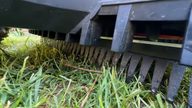

The Long-Term Lawn: Robotic Mowing and Soil Health, Together
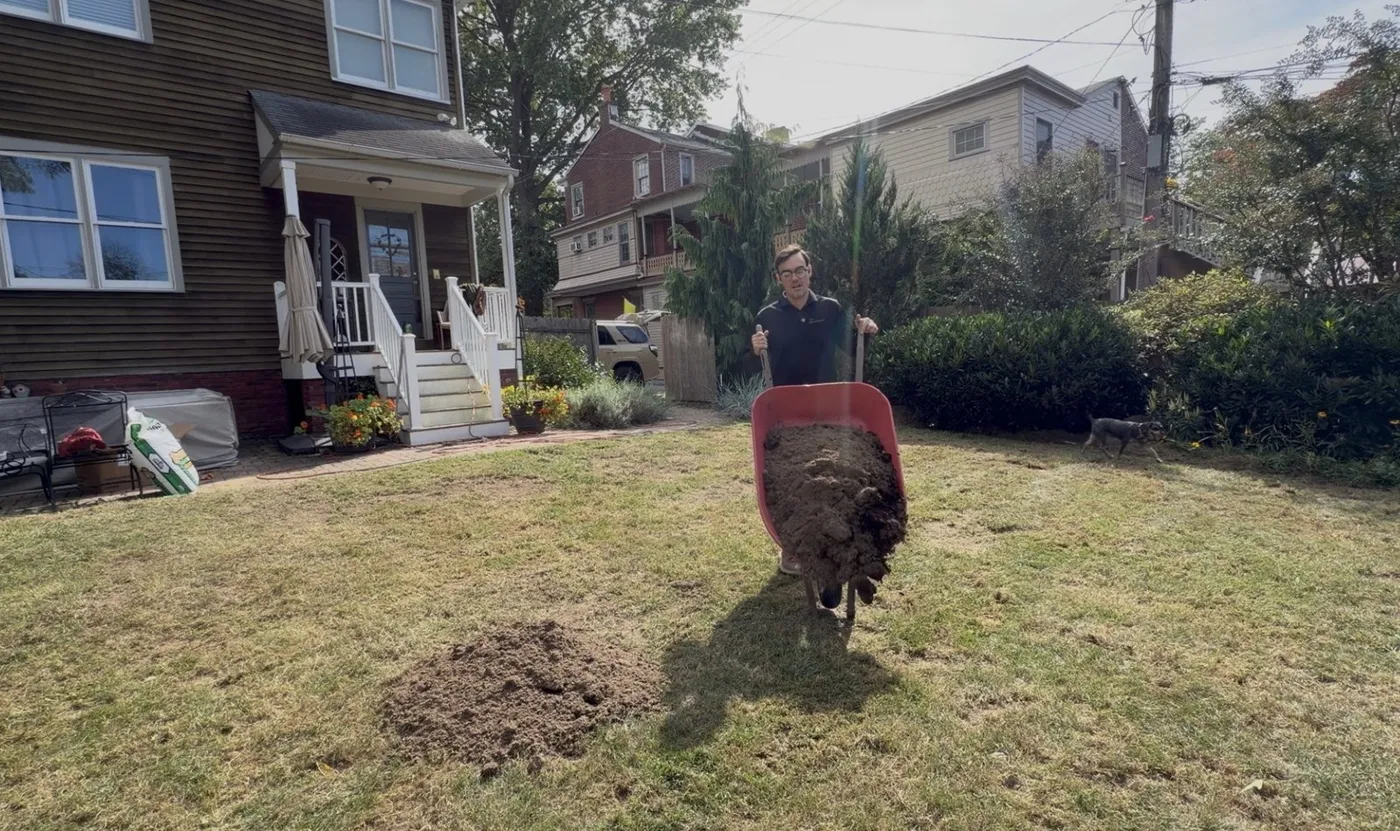
Most lawn care is built around quick fixes. Cut it once a week, feed it a few times a year, reseed the bare spots each fall, repeat. It works, but it never gets easier and it never gets cheaper, because nothing underneath is getting better.
We install and service robotic mowers across Pennsylvania, Maryland, Delaware, New Jersey and Virginia, and after a lot of lawns and a lot of conversations we’ve landed on a simple belief: the best lawns are built slowly, from the soil up, with small steady inputs. Daily robotic mowing and healthy soil aren’t two separate projects. They’re the same plan.
This page is the starting point for that plan. Every section links to the deeper article.
Two ways to care for a lawn
| Quick-fix approach | Long-term approach | |
|---|---|---|
| Mowing | Once a week, often taking off a third of the blade or more | A sliver every day with a robot |
| Clippings | Bagged, or left in clumps | Micro-clippings that disappear and feed the soil |
| Feeding | Feeds the grass blade for a quick green-up | Feeds the soil so it holds water and nutrients |
| Equipment | Heavy mowers that compact the soil weekly | A light battery robot that doesn’t rut |
| Each year | Starts over | Builds on last year |
This isn’t a sermon against fertilizer. Plenty of good lawns use it, and the long-term approach works alongside a traditional program. The difference is where the effort goes: into rescuing the lawn every year, or into a lawn that gets a little stronger every year.
1. Daily mowing is a fertilization strategy
People buy robot mowers to get their weekends back. What surprises them is how much better the lawn looks after a season.
- Micro-clippings feed the lawn. Clippings are roughly 3 to 4% nitrogen by dry weight, and returning them can supply about a quarter of a lawn’s yearly nitrogen. Robot clippings are small enough to vanish and break down in days. (How clippings fit a feeding plan.)
- Less stress, more density. Taking a little every day instead of a big cut once a week keeps the grass at a steady height, so its energy goes into roots and new shoots. (The ⅓ rule and why it matters.)
- Weeds lose their seed heads. Weeds that flower above the cut can’t reseed when they’re trimmed every day. (Daily mowing kills weeds.)
2. Your soil is the part you’re missing
Most suburban lawns grow on compacted fill with very little organic matter on top, the layer soil scientists call the O horizon. Without it, rain runs off, fertilizer washes away and roots stay shallow. Building it back improves the soil’s tilth: crumb structure, pore space for air and water, and room for roots.
Start with three five-minute tests in Soil tilth and the O horizon: why your lawn stays thin.
3. Build organic matter a little at a time
The most direct way to rebuild that layer is top-dressing with compost: 1/8 to 1/4 inch, ideally in fall, repeated for a couple of seasons. The robot’s daily passes help work it into the turf.
- Fall compost top-dressing with a robot mower: when and how
- Inside Organic Lawn Builder: a scientist on dairy-fiber compost
- How to read a compost lab report, so you know what you’re buying
4. Feed smarter, and inside the rules
Fertilizer still has a place. The question is how much and when. Quick-release nitrogen that the grass can’t use right away can wash off before it does any good, and in Pennsylvania the law now caps how much any homeowner may apply at once.
- Synthetic fertilizer vs. building soil: rent or own your lawn?
- Pennsylvania’s lawn fertilizer law, explained for homeowners
- What fertilizer your lawn actually needs, by season
5. Follow the seasons
Cool-season grasses like tall fescue and Kentucky bluegrass do their real growing in spring and fall. A long-term plan follows that rhythm:
| Season | Soil and feeding | Robot mower |
|---|---|---|
| Early spring | Soil test; light feeding only if it calls for one | Tune-up, fresh blades, check the map |
| Summer | No heavy feeding in heat; water deeply and less often | Raise the cutting height |
| Early fall | Aerate, overseed, top-dress with compost | Lower a notch before top-dressing; pause on new seed |
| Late fall | Last compost or feeding before December 15 in PA | Final mows, then winterize |
- Your robot mower’s schedule, season by season
- Mowing new grass with a robot mower
- Repairing bare and thin spots
6. The return on a healthy lawn
A robot mower and a soil plan cost money up front. The payback comes over several years and depends on your property, so the honest way to judge it is with your own numbers: what you spend on mowing or a mowing service, your hours, fertilizer applications, seed and repairs, and water. Mowing usually drops the most, and healthier soil tends to shrink the feeding and repair lines over time.
- Robot mower vs. lawn service: cost, lawn health and reliability
- How much does a robot mower cost to run?
- Run your own numbers with our ROI calculator
What working with Zippy Lawnz looks like
- Map your lawn online so we can see its size, slopes and zones.
- Get an honest recommendation for the right mower, not the most expensive one.
- Professional installation: mapping, no-go zones, the charging station and training.
- A simple soil plan, with Organic Lawn Builder delivered or spread within 30 miles of Kennett Square if it fits.
- Ongoing support: service, winterization and a real person to call.
Our free Zippy Lawn Care Report puts it all on one page for your lawn: seed, feeding inside your state’s rules, the care calendar, and the mowing plan.
Map your lawn free, or call or text 844-445-2969.
Frequently asked
Do I still need fertilizer if I have a robot mower?
Usually less, but often some. Returned micro-clippings can supply about a quarter of a lawn's yearly nitrogen. Compost and a soil-test-based feeding plan cover the rest, with fewer and lighter applications over time.
Can I keep my lawn treatment company with a robot mower?
Yes. A robotic mower and compost work alongside a traditional program. Many owners find they need fewer applications as the soil improves.
When is the best time to start?
Fall is the best time to build soil for cool-season lawns in our area, and spring is when most robot mowers go in. Mapping your lawn over the winter gets you ready for both.
How long before I see a difference?
Daily mowing shows in weeks: an evenly cut, denser-looking lawn. Soil improvements take a couple of seasons of thin compost applications and returned clippings, and they last.
Keep reading


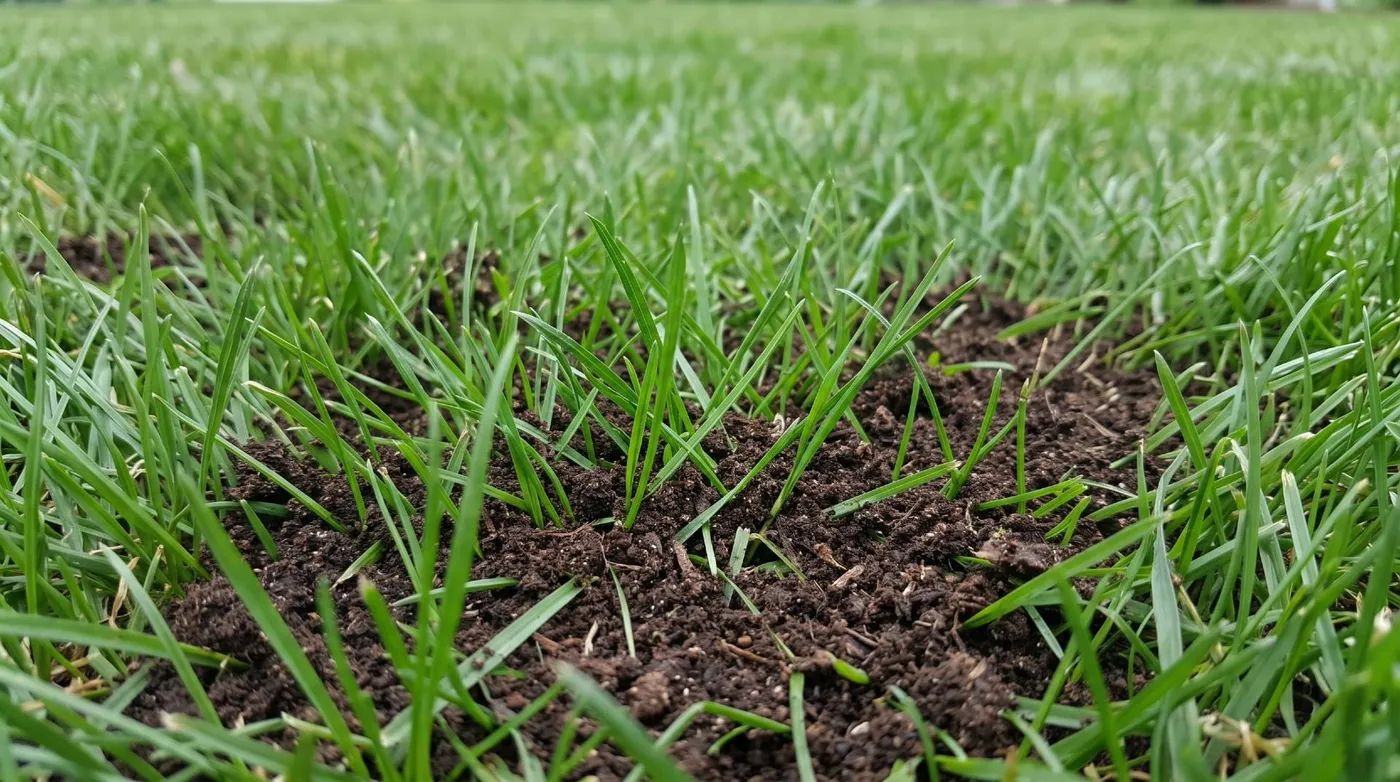 Tips & MaintenanceSynthetic Fertilizer vs. Building Soil: Rent or Own Your Lawn?Spray-on fertilizer buys a few weeks of green; soil organic matter keeps a lawn thick for years. The cost per year, runoff and results compared for a ¼-acre lawn.
Explore the system
The mowers and pages behind this topic — see them sized to your yard.