
Fall Compost Topdressing With a Robot Mower: When & How
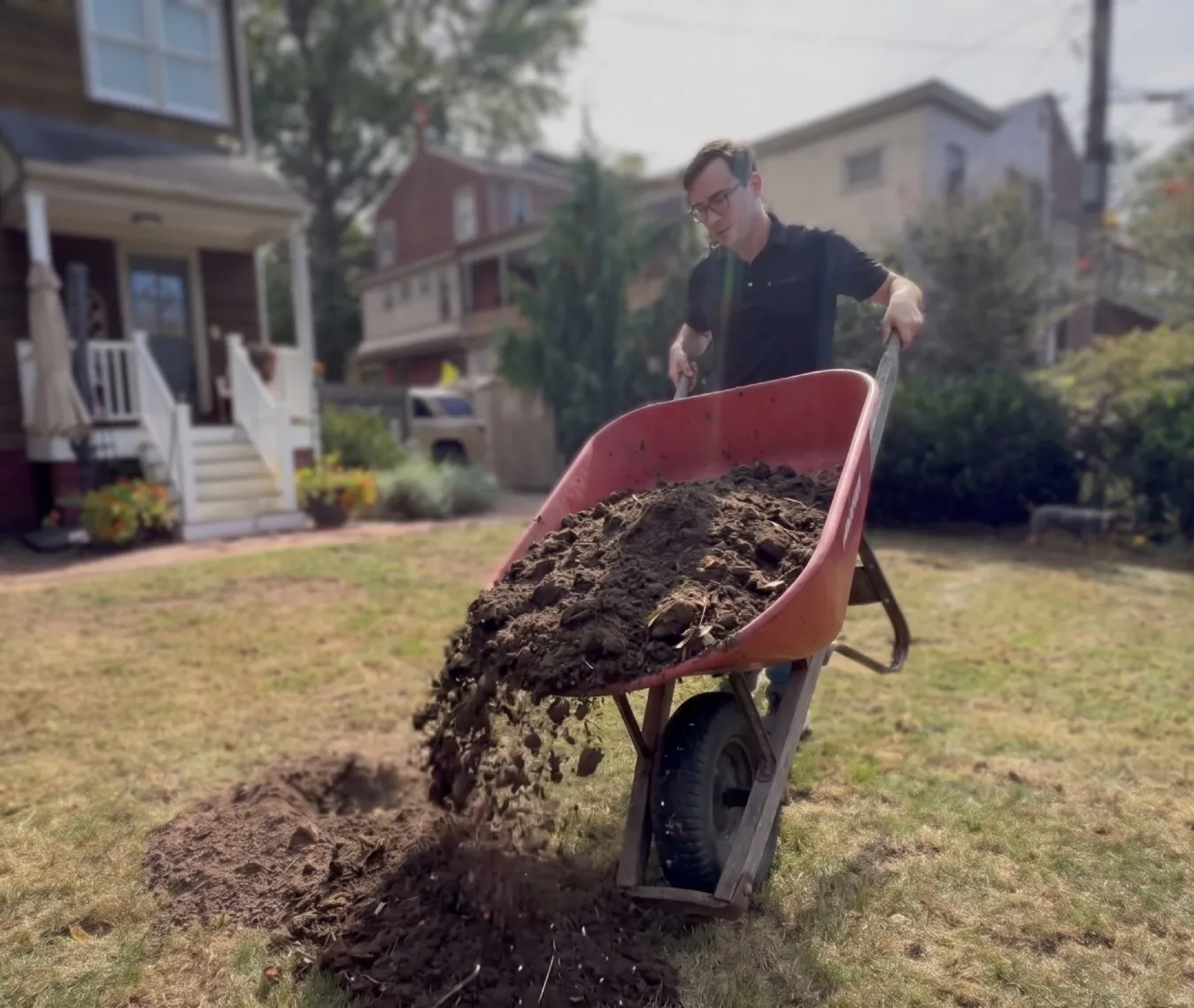
Topdress in early-to-mid fall, right after core aeration, with a thin layer of good compost — and pause the robot for a few days while it settles. That’s the whole answer for most cool-season lawns. Fall is when grass roots grow hardest and weeds give up, so compost applied now is working all winter and shows up as a thicker lawn in spring.
A robot mower changes a few details of the job, mostly for the better. Here’s how to do it.
When should you topdress?
- Best: early-to-mid fall for cool-season grasses (tall fescue, Kentucky bluegrass, ryegrass — most of the Mid-Atlantic and North). Soil is still warm, the grass is actively growing, and it’s prime overseeding season.
- Second best: early spring, once the grass is green and growing again.
- Warm-season lawns (Bermuda, zoysia): late spring into early summer, when they’re growing fastest.
- Avoid summer heat and drought, and dormant grass in late fall or winter.
Once every one to two years is plenty. Soil building is gradual, and the payoff comes from repeating it.
How much compost do you need?
Keep the layer thin: about a quarter inch or less, so grass blades still stand through it. A thick blanket smothers turf.
| Lawn size | Bulk compost at ¼ inch | Concentrated 400 lb soil builder |
|---|---|---|
| 5,000 sq ft | ~3.9 cubic yards | 1 bag |
| ¼ acre (10,890 sq ft) | ~8.4 cubic yards (~4 tons) | 1 bag |
| ½ acre | ~16.8 cubic yards (~8 tons) | 2 bags |
| 1 acre | ~33.6 cubic yards (~16 tons) | 4 bags |
That four-tons-per-quarter-acre number is why most people never topdress: it’s a lot of wheelbarrow trips. Concentrated, high-organic-matter products do the same soil-building job with far less material.
How do you topdress a lawn with a robot mower on it?
- Mow first, then pause the robot. Let it do a normal cut the day before, then turn the schedule off in the app. Don’t power it down for the winter yet — you’ll want it back in a few days.
- Core aerate (strongly recommended). The holes give compost a direct path into the root zone. Mark sprinkler heads, the robot’s boundary wire if it has one, and any buried cables first. RTK and vision mowers have nothing to mark.
- Overseed if you’re filling thin areas — the compost doubles as a seedbed.
- Spread the compost thinly and evenly, then drag it in with the back of a rake or a drag mat so it falls off the blades and into the aeration holes.
- Water it in, or let a rain do it.
- Restart the robot once the compost has settled and the grass is standing clear of it — usually a few days. If you overseeded, wait until the new grass is about 3–4 inches tall, then resume at your normal height.
Keep the charging dock clear: brush any compost off the charging contacts and the dock ramp before the robot returns to it.
Why does a robot mower make topdressing work better?
- Its wheels work the compost in. Crossing the lawn day after day, a robot helps press topdressed material down into the turf over the following weeks.
- It doesn’t compact what you just built. Light electric robots don’t rut soft fall ground the way a heavy zero-turn does — we’ve seen what a weekly crew can do to a wet lawn.
- Micro-clippings keep feeding it. Daily trimming returns fine clippings that break down fast, supplying up to ~25% of the lawn’s yearly nitrogen right on top of the new organic matter.
- New seed gets gentle care. Once the seedlings are tall enough, light daily cuts are kinder to them than a weekly scalping.
Topdressing is also a good moment to plan the end of the mowing season. When growth stops, follow the winterization routine — clean deck, battery to about half, mower indoors.
Want it delivered and spread for you?
If you’re in southeast Pennsylvania, northern Delaware, or nearby Maryland and New Jersey, we’ll do the hauling. Organic Lawn Builder is a certified-organic, Penn State lab-tested compost made in Kennett Square. One 400 lb bag tops about a quarter acre and keeps releasing nutrients for 2–3 years. It’s $300 delivered or $600 delivered and spread, within 30 miles of Kennett Square. The Plus bag comes pre-fed with organic blood meal for a full seasonal feeding.
For the full mowing, feeding and soil picture, see the Zippy lawn-care hub.
Frequently asked
When is the best time to topdress a lawn with compost?
For cool-season lawns like tall fescue, bluegrass and ryegrass, early-to-mid fall is the best window, ideally right after core aeration and alongside overseeding. Early spring is the second-best window. Topdress when the grass is actively growing so it can grow up through the compost quickly.
Do I need to stop my robot mower after topdressing?
Pause it for a few days, until the compost has settled down into the turf and the grass blades are standing clear of it. A light watering or a rain helps. Then restart at your normal cut height. If you overseeded, hold off until the new grass is about 3 to 4 inches tall before resuming.
How thick should a compost topdressing be?
Keep it thin, about a quarter inch or less, so the grass blades still poke through. Thick layers smother turf. A quarter-inch layer of bulk compost over a quarter acre is about 8.4 cubic yards; a concentrated soil builder can cover the same area with a single 400 lb bag.
Can a robot mower run over compost?
Once it has settled into the turf, yes, and its wheels help work it into the soil over the following weeks. Right after spreading, loose compost can clog wheels and the cutting deck and get flung around, which is why you pause the mower for a few days first.
Keep reading
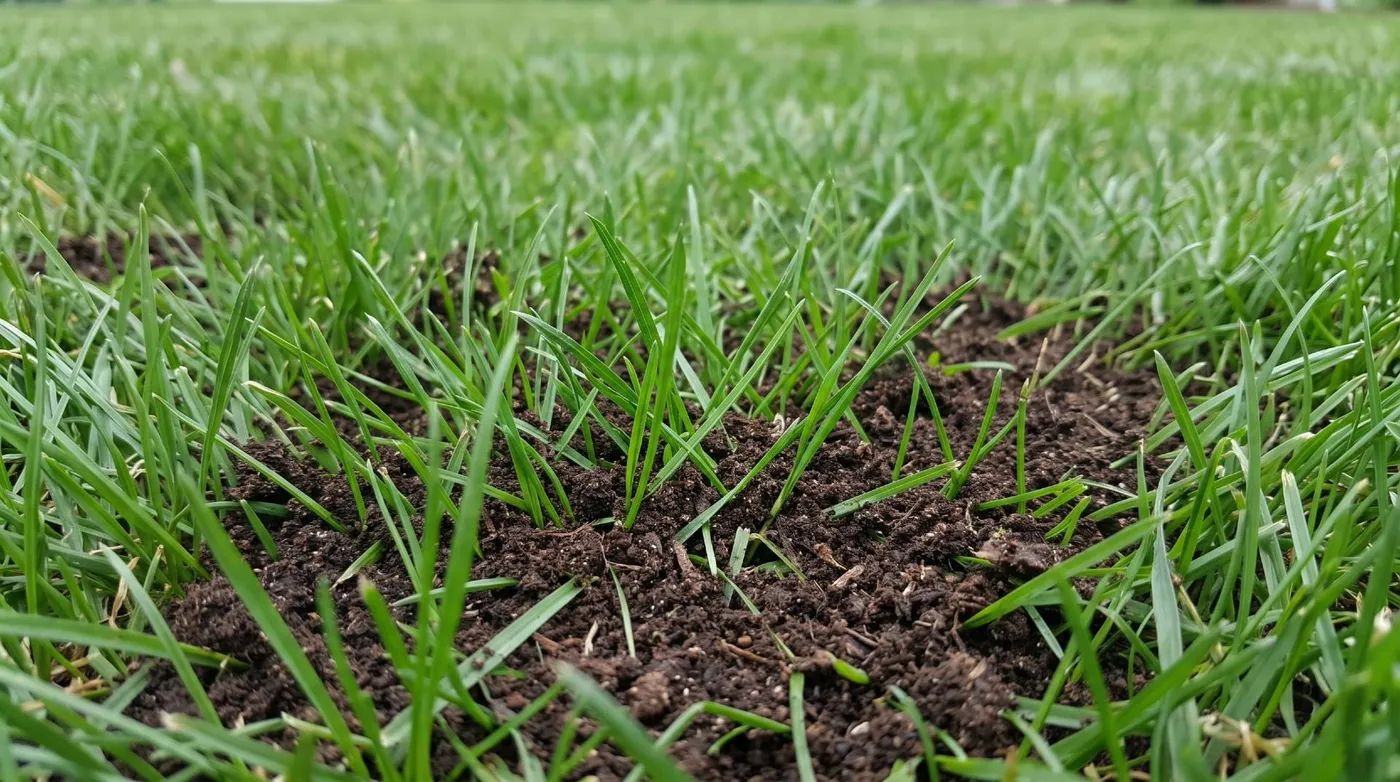 Tips & MaintenanceSynthetic Fertilizer vs. Building Soil: Rent or Own Your Lawn?Spray-on fertilizer buys a few weeks of green; soil organic matter keeps a lawn thick for years. The cost per year, runoff and results compared for a ¼-acre lawn.
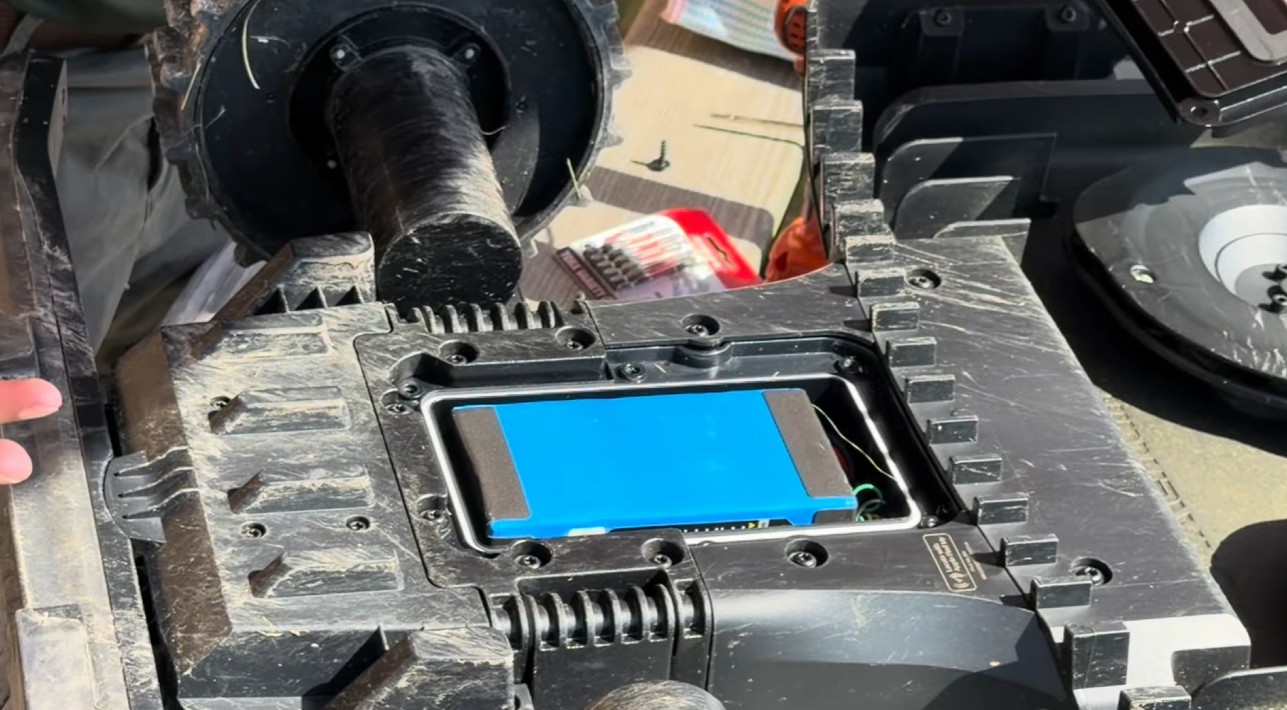 Tips & MaintenanceHow to Winterize a Robot Mower (Battery, Blades & Storage)When to stop mowing, how to store the battery (about half charge), what stays outside, and the end-of-season clean — the dealer winterization routine.
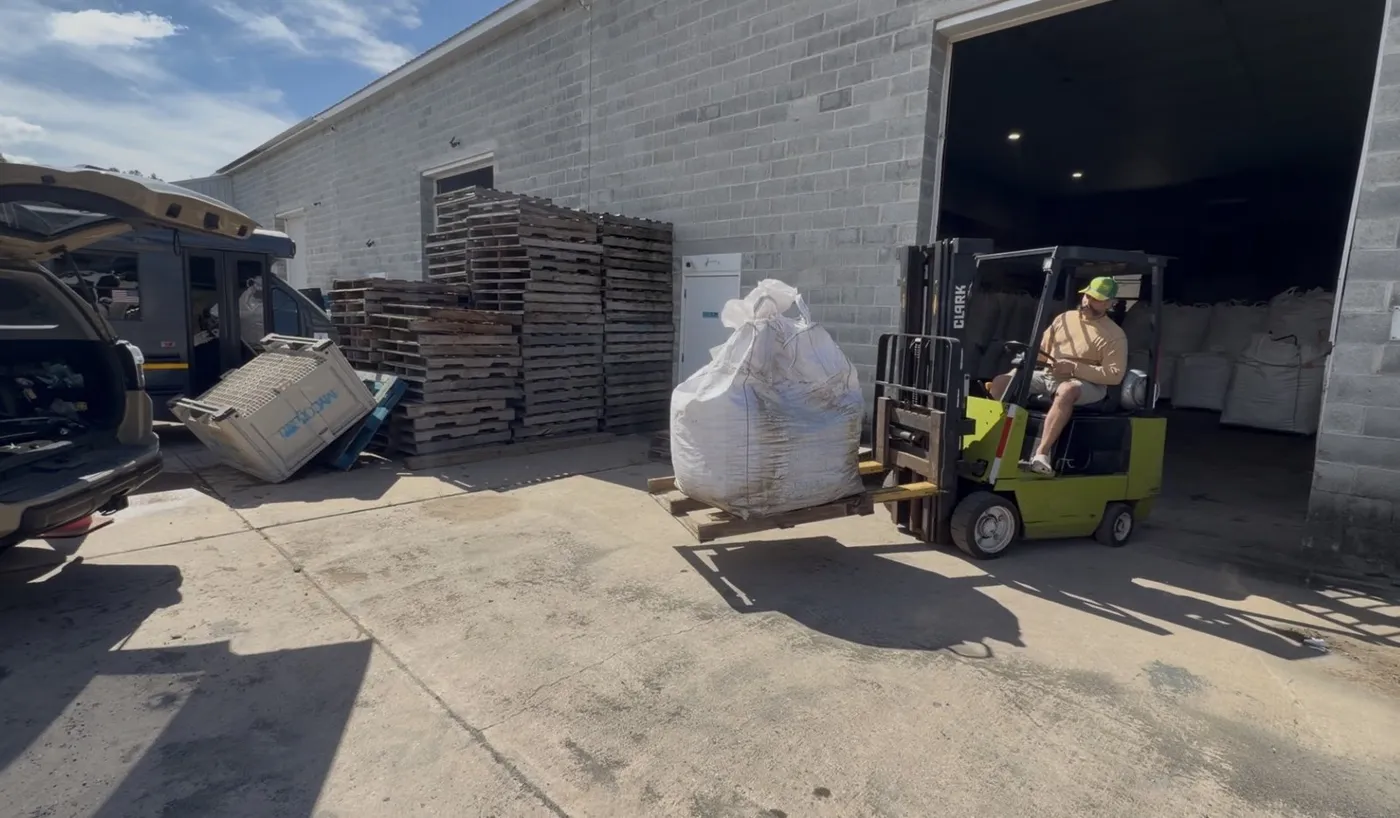 Tips & MaintenanceMushroom Country Compost Meets Robot Mowers in Kennett SquareHow a robot-mowing experiment and a Kennett Square compost lab became Organic Lawn Builder: certified-organic feeding for Chester County lawns, less runoff.
Explore the system
The mowers and pages behind this topic — see them sized to your yard.