
Daily Mowing Kills Weeds: How a Robot Mower Changes Weed Control
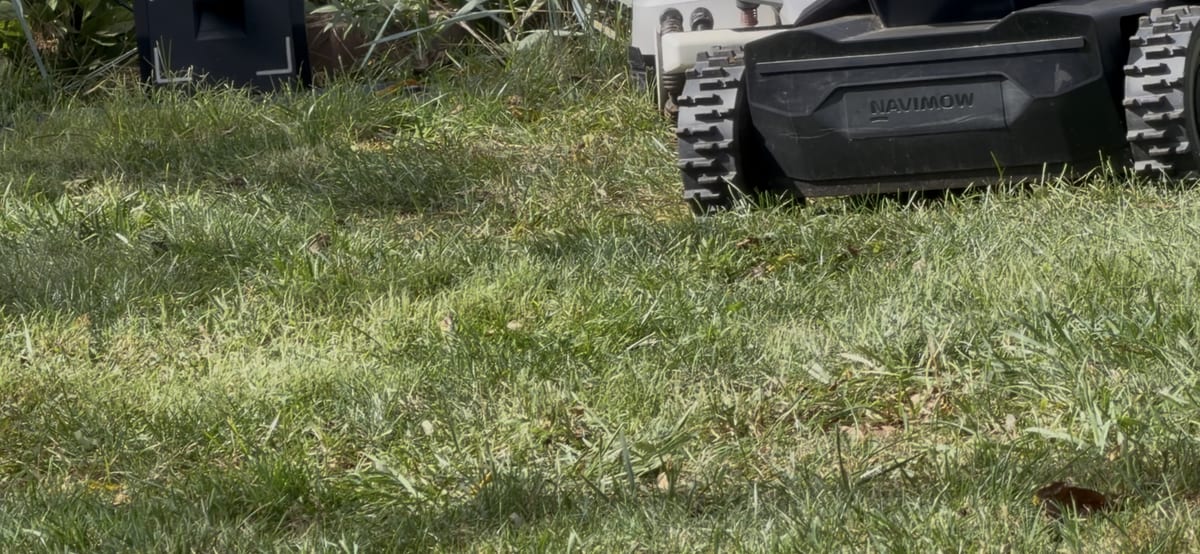
Here’s something most people don’t know about their weeds: a lot of them are only there because the mower comes once a week.
How a weed makes more weeds
Nearly every lawn weed spreads the same way. It grows fast, throws a flower stalk up above the grass, sets seed, and drops it. A dandelion goes from yellow flower to white seed head in days. Plantain sends up a skinny seed spike. Crabgrass throws finger-like seed heads from late summer. The stalk has to stand up above the grass to do its job.
A weekly mow gives every one of them the days they need. Sunday you cut; by Thursday the dandelion has flowered and by the next Sunday it has already seeded the lawn. You beheaded the stalk a week too late.
A robot mower cuts every day or two. The stalk gets beheaded the day it stands up, every time. Weeds that flower above the cutting height cannot reseed. They flower, they get cut, they try again, they get cut. The plants already in the lawn keep trying from below, but they never make the next generation — and an annual that can’t reseed is gone the following year. That is not spraying. That is the mower doing what it does anyway.
Broadleaf weeds lose when the grass is thriving
The second mechanism is quieter. Clover, plantain, chickweed and their cousins are broadleaf plants living in a grass lawn, and they need two things the grass can deny them: light at the soil, and a gap to grow into.
Daily mowing at the top of your grass’s range — the height we recommend for every cool-season lawn — keeps the canopy dense and tall. The lawn gets thicker, because a light, frequent cut makes every grass plant tiller sideways instead of stretching up. A thick, tall lawn shades the soil, and most weed seed simply doesn’t germinate in the dark. Meanwhile every broadleaf that does come up gets its leaves clipped daily while the grass around it, built for exactly that, keeps growing.
Grass grows. Weeds die. From mowing.
The crabgrass zone: killing an established patch with the mower
Crabgrass is the weed people give up on. It shows up along the hot driveway edge in July, spreads flat and coarse through August, and by September it has seeded next year’s crop. The usual advice — pre-emergent at forsythia bloom in spring — is right, and prevents next year. It does nothing about the patch in front of you now.
Here’s what we do on our own lawns:
- Map the crabgrass patch as its own zone in the app — just the crabgrass-dominated ground, not the whole lawn.
- Set that zone’s cut height under an inch. The rest of the lawn stays at the top of its range.
- Mow it every day until frost.
Crabgrass is an annual that lives on leaf and spreads by seed. Cut under an inch every day, it can’t hold enough leaf to grow and it can’t get a seed head up. It exhausts itself and dies, and because it never seeded, it doesn’t come back as next year’s crop.
The honest trade: the good grass inside that zone gets scalped too and thins for the season. That’s why the zone is only the crabgrass ground. In the fall window, overseed the zone at the new-lawn rate and it comes back as lawn; at forsythia bloom in spring, pre-emergent keeps any leftover seed down. One patch scalped for a season, and the crabgrass is gone.
This is a Zippy field method, not an extension bulletin. We’ve done it, it works, and there’s a video coming that shows it start to finish.
Why this changes lawn care
For fifty years, weed control has meant products: a pre-emergent in spring, a broadleaf spray in fall, a bag of weed-and-feed in between. All of them treat the symptom of a lawn that gets cut once a week — a lawn where every weed gets its week to seed and every gap gets its week of sun.
A robot mower removes the week. That’s the paradigm shift: the mower is the weed control, running every day, at the height the grass wants, for free. Add a fall overseed to close the gaps the weeds moved into and feed in the right season, and most lawns need spot treatment only for the deep-rooted veterans.
Make it your plan
Your Zippy Lawn Care Report reads what you tap — weeds, crabgrass — and puts the mechanism on your plan: the daily rhythm, the height for your grass, and when the crabgrass zone applies it prints the zone setup for your mower. Map your lawn, mark the crabgrass patch as a trouble spot, and the report says the rest.
Frequently asked
Does mowing more often really kill weeds?
It kills the ones that need to reseed. Most lawn weeds spread by throwing a seed stalk up above the grass and setting seed — a dandelion needs only days between the yellow flower and the white puff. A weekly mow gives it those days; a daily cut beheads the stalk the day it stands up. Weeds that flower above the cutting height can't reseed, and an annual that can't reseed is gone the next year. It doesn't dig out a deep-rooted perennial that's already there; it stops the next generation.
Can a robot mower get rid of crabgrass?
An established patch, yes, with a method we use on our own lawns: map the crabgrass patch as its own zone, set that zone's cut height under an inch, and mow it every day until frost. Crabgrass is an annual that lives on leaf and spreads by seed — cut that low that often it can't hold either, and it dies out instead of seeding next year's crop. The good grass in the zone thins for the season too; overseed it in the fall window and put pre-emergent down at forsythia bloom in spring.
Won't cutting under an inch kill my lawn?
Inside the crabgrass zone, the desirable grass thins — that's the trade, and it's why the zone is only the crabgrass-dominated ground, never the whole lawn. The rest of the lawn stays at the top of its range, where daily mowing does the opposite job: a dense, tall canopy that shades weed seed out. The zone gets reseeded in fall and comes back as lawn.
Is daily mowing enough on its own?
For most weedy lawns it's the biggest single change, and it costs nothing. Pair it with the high cut, a fall overseed to close the gaps weeds moved into, and feeding in the right season, and most lawns need spot treatment only for the deep-rooted veterans — not blanket herbicide.
Keep reading
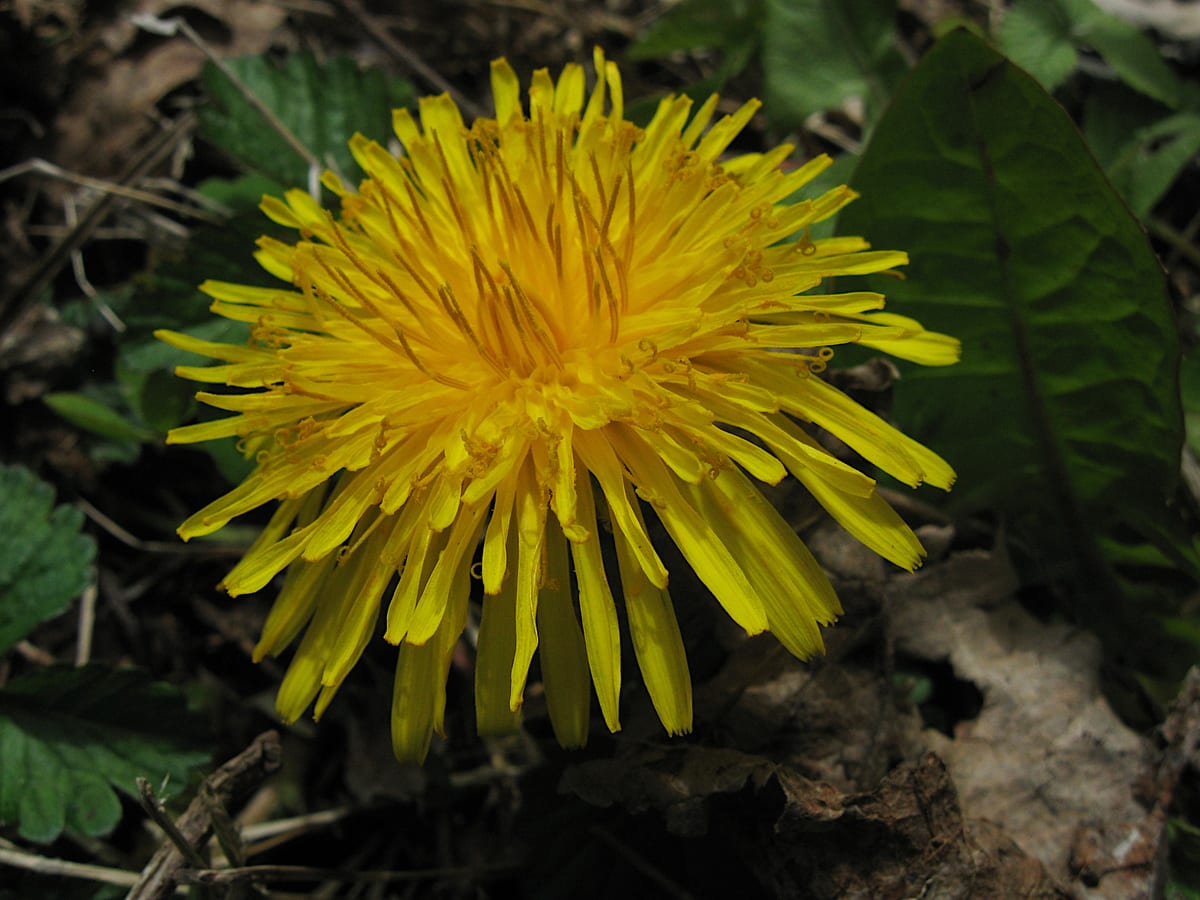 Lawn careWhat Kind of Weed Is This, and How Do I Get Rid of It?Tell a broadleaf weed from a grassy one in ten seconds, what each says about your lawn, the fix that holds, and why a robot's daily cut is half of weed control.
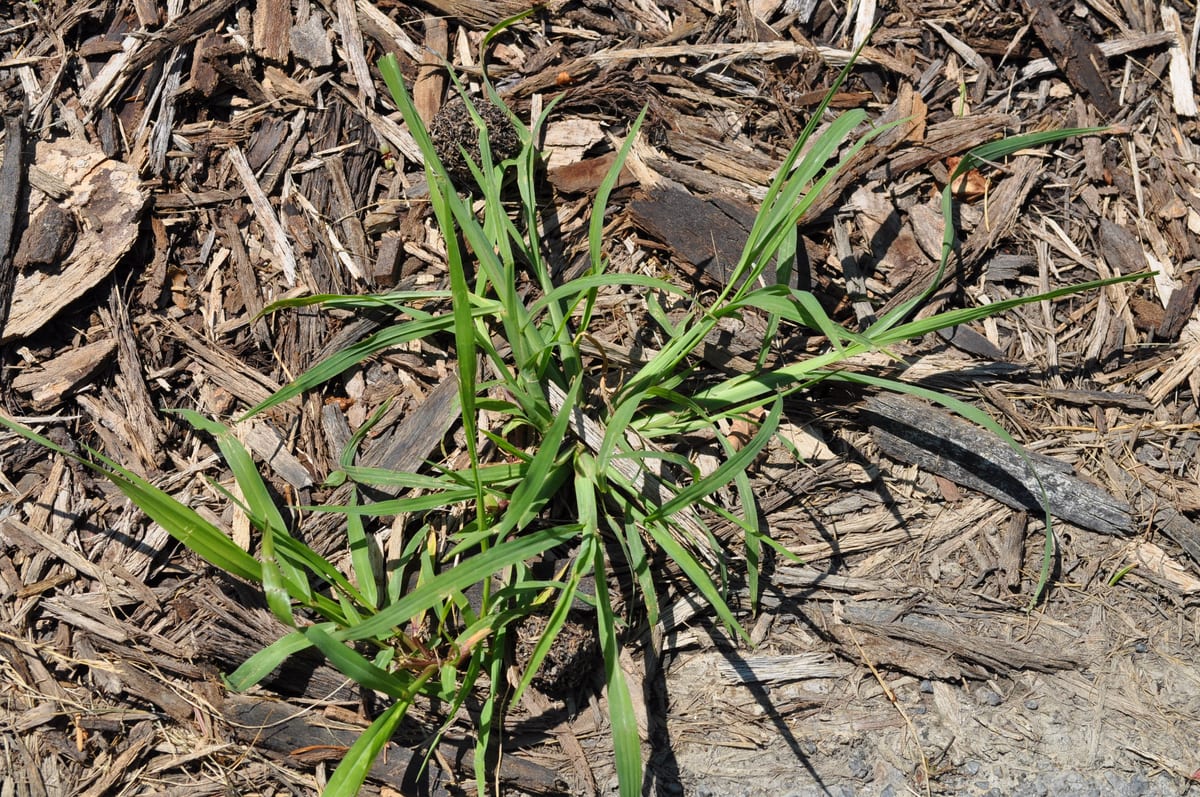 Lawn careCrabgrass: Why It's Back Every Summer, and the Date That Beats ItCrabgrass dies at frost and comes back from seed. The pre-emergent date (forsythia bloom, 55°F soil), the seeding conflict, and the thick lawn that ends it.
 Lawn careSpongy Lawn, Puddles After Rain: Aeration and DethatchingA spongy lawn or water sitting after rain means thatch or compacted soil. The two tests, core aeration vs dethatching, when to do each, and seeding into the holes.
Explore the system
The mowers and pages behind this topic — see them sized to your yard.