
Synthetic Fertilizer vs. Building Soil: Rent or Own Your Lawn?
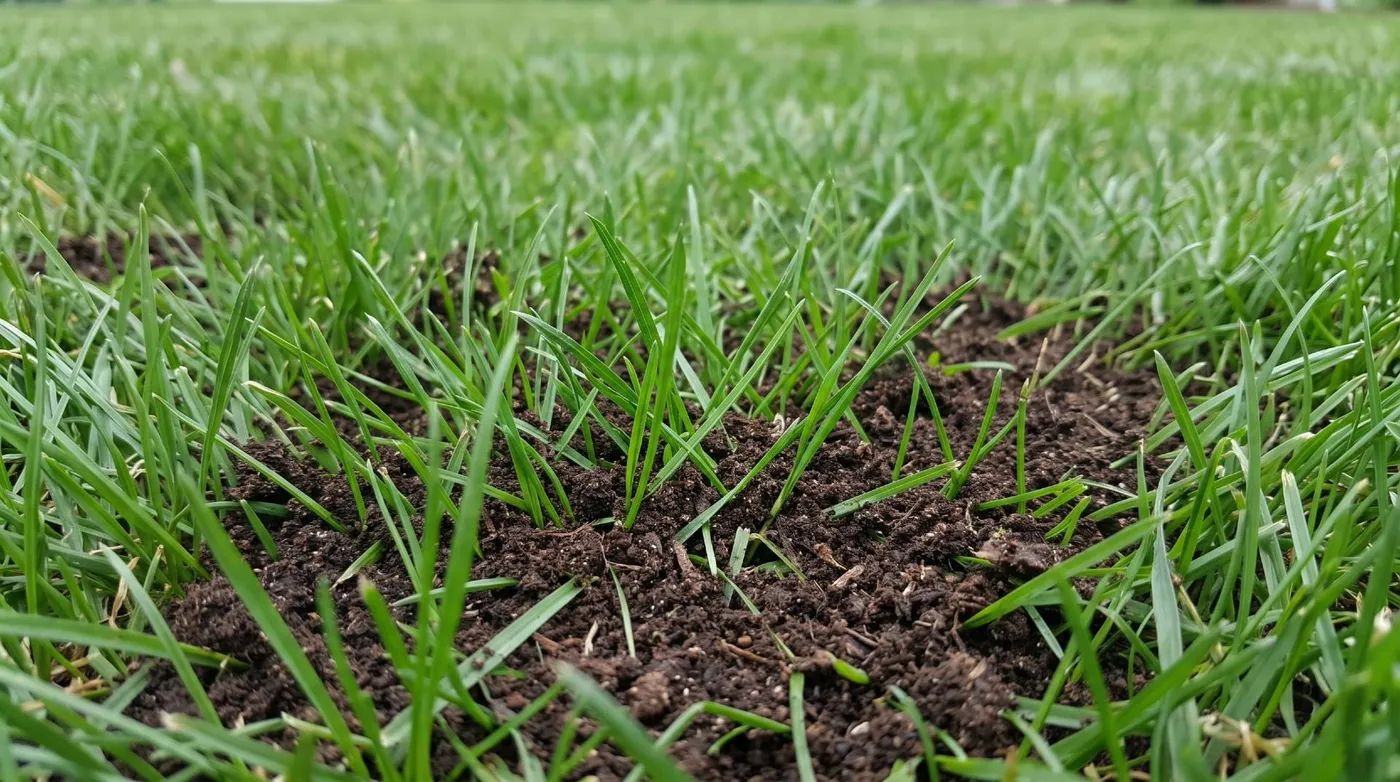
Synthetic fertilizer is rent. Building soil is ownership. A quick-release fertilizer buys a few weeks of green, then it’s used up or washed away and you pay again — four or five times a year, every year. Organic matter worked into the soil keeps paying for seasons: water soaks in and stays, soil life releases nutrients slowly, and roots go deeper. One is an expense you repeat; the other is an investment that compounds.
Here’s how the two compare on a typical quarter-acre lawn, and why a robot mower makes the “own” side work better.
What does synthetic fertilizer actually do?
It feeds the grass blade directly, fast. Most of the nitrogen is water-soluble, so the lawn greens up within days. Then:
- The grass uses it up, or rain washes it off, within a few weeks.
- It has to be reapplied several times every year.
- It does nothing for soil structure or soil life — the stuff that decides whether water soaks in and roots go deep.
- Year five looks like year one. The lawn stays dependent on the next application.
None of that makes synthetic fertilizer “bad.” It’s just a short-term tool, and it’s priced like one: typically $220–870 per professional visit for a quarter acre (industry averages), several visits a year.
What does building soil do?
Soil organic matter is the slow engine of a healthy lawn. Topdressing with good compost:
- Improves soil structure, so water soaks in and stays instead of running off.
- Feeds microbes and earthworms that release nutrients naturally.
- Releases nutrients over seasons, not weeks. Penn State Extension puts compost’s organic-nitrogen release at roughly 10–20% a year.
- Grows deeper roots that ride out heat and dry spells better.
- Compounds. Denser turf crowds out weeds and needs fewer outside inputs every year.
How do the options compare side by side?
| Synthetic quick-release | Organic granular | Bulk compost topdressing | Concentrated soil builder* | |
|---|---|---|---|---|
| How long it works | A few weeks per application | A few weeks to a few months | Multiple years | 2–3 years of gradual release |
| Builds soil organic matter | No | Very little | Yes | Yes |
| Material for ¼ acre | A small bag, several times a year | A small bag, several times a year | Roughly 4 tons for a ¼-inch layer | One 400 lb bag |
| Typical cost for ¼ acre | $220–870 per pro visit | About twice synthetic, per visit | ~$1,200 delivered & spread ($566–2,232) | $600 delivered & spread |
| Runoff risk | Higher; soluble nutrients wash off | Low | Low to moderate | Low |
*The concentrated column is Organic Lawn Builder, the certified-organic compost we deliver locally (84.6% organic matter, Penn State lab-tested). Costs are industry averages for typical product categories, not specific brands; local prices and results vary with soil and weather.
What does “owning your soil” cost per year?
This is where the math flips. A soil application isn’t a one-season purchase:
- Bulk compost, delivered and spread: about $1,179 on average for a quarter acre — and about 4 tons of material hauled across your yard.
- A concentrated soil builder: $600 delivered and spread, lasting 2–3 years. That’s $200–300 a year, or $100–150 a year if you spread it yourself.
- A single pro fertilizer visit: $220–870, lasting a few weeks.
Year over year, building soil lands in the same budget as a couple of fertilizer visits — and unlike them, it leaves the lawn better than it found it.
How does the investment compound?
- Year 1: Organic matter settles into the turf. Nutrients begin releasing, and the soil starts holding water better.
- Year 2: A second application builds on the first. Soil life increases and roots reach deeper.
- Year 3 and beyond: Thicker, more resilient turf crowds out weeds and depends less on outside inputs.
Soil building is gradual. The payoff comes from repeating applications every one to two years, not from a single season.
Why does a robot mower multiply the payoff?
Because it handles the other two thirds of the program automatically. A robot trims a little every day and leaves fine clippings that break down fast — returning up to ~25% of the lawn’s yearly nitrogen. Its wheels help work topdressed compost into the soil. And being light and electric, it never ruts or compacts the soil you’re building. Together, the lawn keeps feeding its own soil.
That’s the whole Zippy Lawnz soil program: compost every one to two years (how to topdress around a robot), daily electric mowing that mulches clippings, and organic feedings — never synthetic.
In southeast PA, northern DE, or nearby MD and NJ? Organic Lawn Builder is delivered within 30 miles of Kennett Square: one 400 lb bag per quarter acre, $300 delivered or $600 spread, with a Plus option pre-fed with organic blood meal for a full seasonal feeding.
More on the mowing-and-soil connection in the Zippy lawn-care hub.
Frequently asked
Is compost better than synthetic fertilizer for a lawn?
They solve different problems. Synthetic fertilizer feeds the grass blade quickly with water-soluble nitrogen that's used up or washed away within weeks. Compost builds soil organic matter, which holds water, feeds soil microbes and releases nutrients slowly over seasons. For a lawn that improves year over year, compost is the foundation and light organic feedings fill the gaps.
How long does compost keep feeding a lawn?
Penn State Extension reports that the organic nitrogen in compost releases at roughly 10 to 20 percent per year, so a single topdressing keeps feeding gradually for two to three years. That's why soil programs reapply every one to two years rather than four or five times a season.
How much does it cost to topdress a quarter acre with compost?
Bulk compost at a standard quarter-inch layer takes about 8.4 cubic yards, roughly 4 tons, for a quarter acre. With material, delivery and spreading labor at national averages, that runs about $566 to $2,232, averaging around $1,179. Concentrated soil builders that cover a quarter acre with a single bag can cost less and save the hauling.
Does synthetic fertilizer cause runoff?
It can. Quick-release synthetic fertilizers are water-soluble, so heavy rain soon after an application can wash nutrients off the lawn and into storm drains and streams. Nutrients held in organic form, as in compost, stay put far better and release as soil life breaks them down.
Keep reading
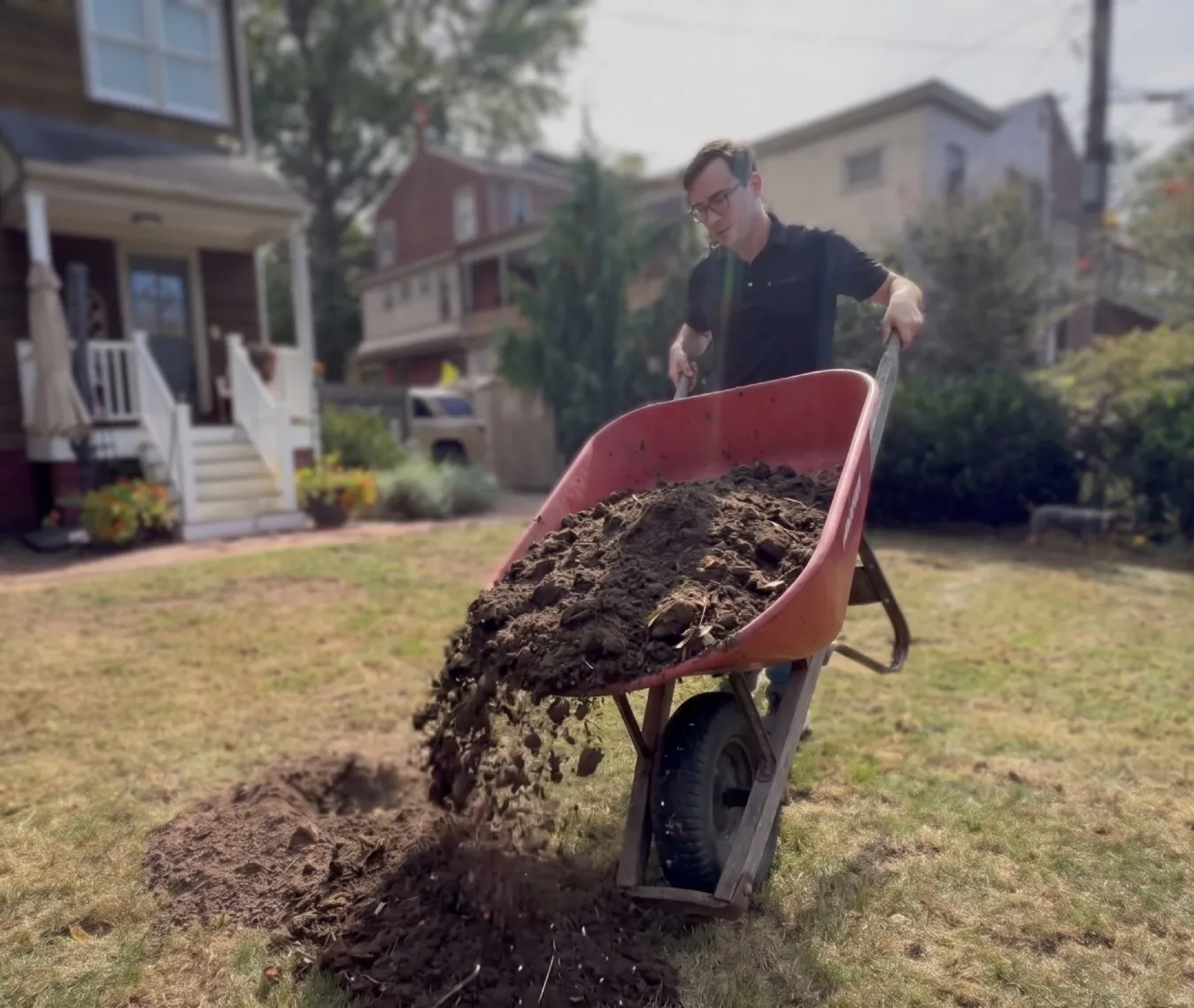 Tips & MaintenanceFall Compost Topdressing With a Robot Mower: When & HowHow to topdress a lawn with compost when a robot mower lives on it: best timing, how much material, pausing and restarting the mower, and pairing with aeration.
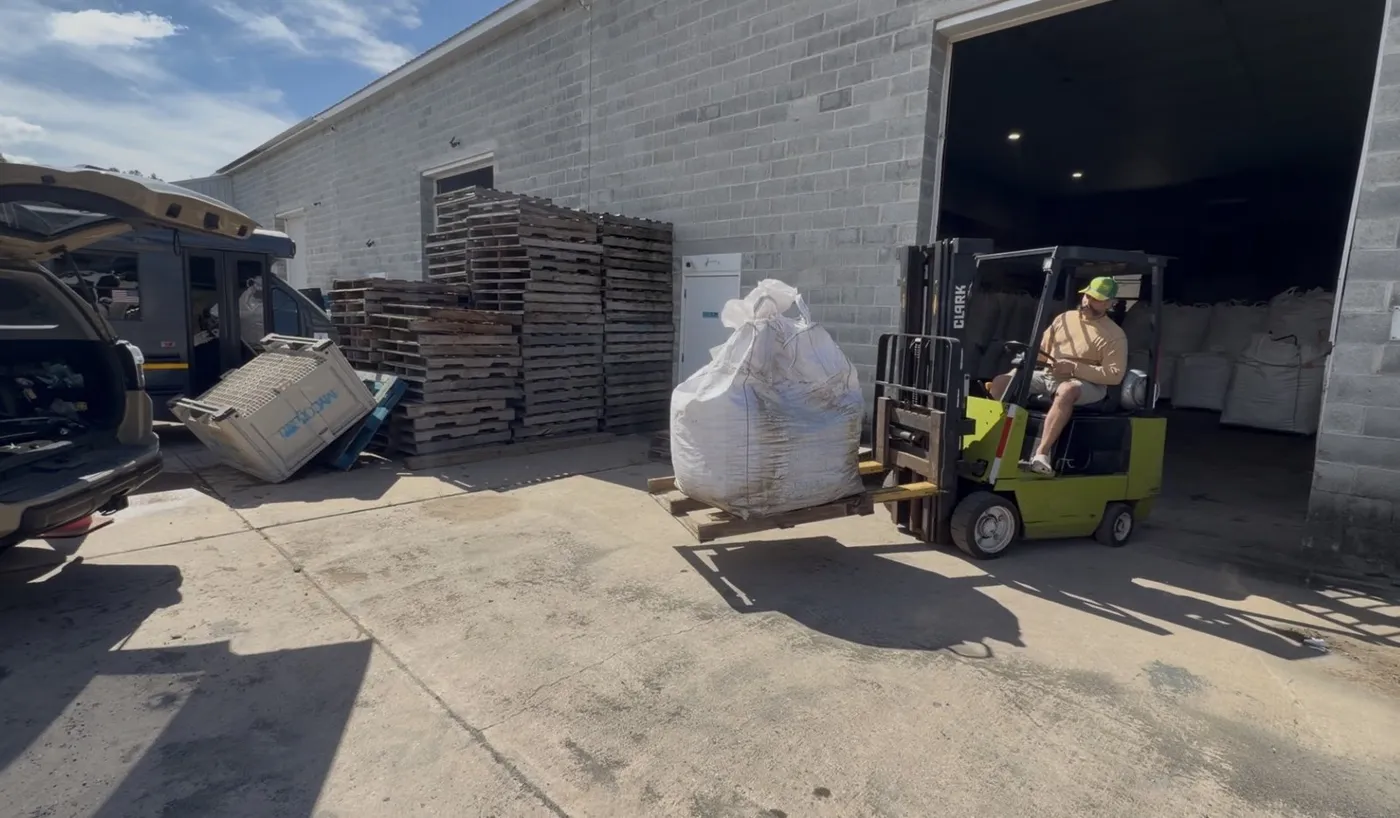 Tips & MaintenanceMushroom Country Compost Meets Robot Mowers in Kennett SquareHow a robot-mowing experiment and a Kennett Square compost lab became Organic Lawn Builder: certified-organic feeding for Chester County lawns, less runoff.
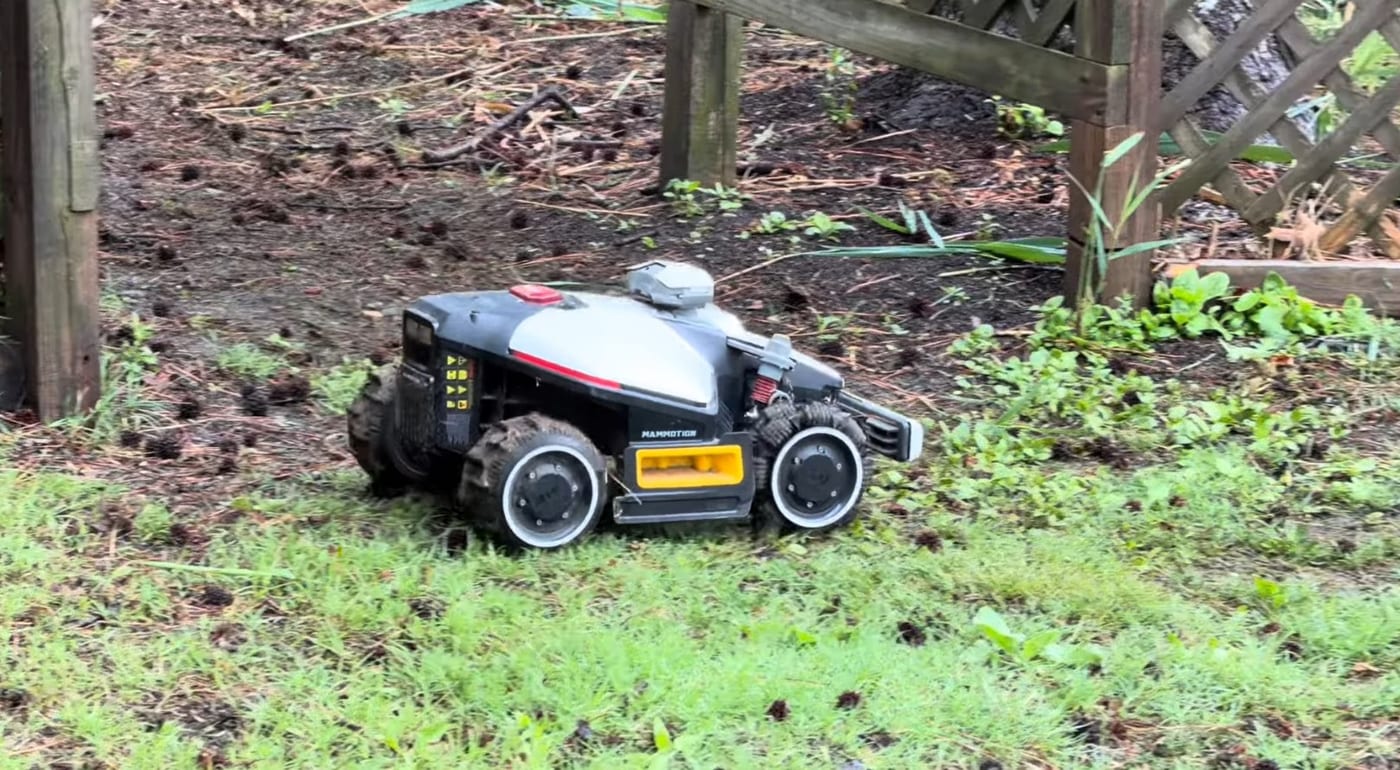 Buying GuidesAre Robot Mowers Worth It? We Ran the Numbers (2026)Are robot mowers worth the money? The honest math on cost vs a lawn service, the time you get back, the hidden costs — and the lawns where they're NOT worth it.
Explore the system
The mowers and pages behind this topic — see them sized to your yard.