
Robot Mowers for Vacation Homes, Cabins & Rentals
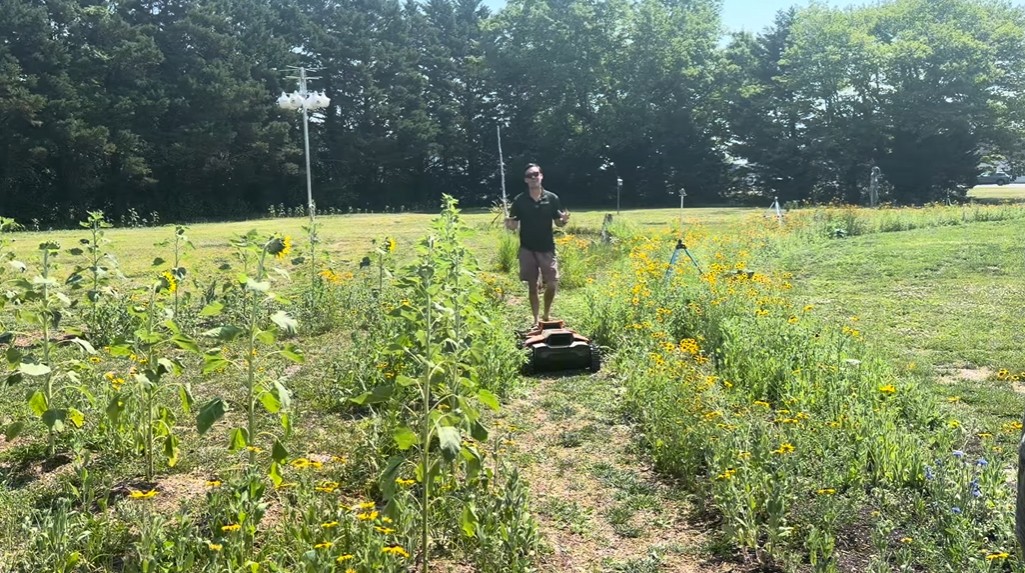
There’s a specific misery to owning a second place: you drive up Friday night and the first thing the property asks of you is work. The grass is shin-high, the local kid who “definitely” mowed didn’t, and half of Saturday disappears behind a mower you keep in a shed for exactly this purpose.
A robot mower deletes that entire loop. It lives at the property, cuts a little every day, and texts your phone if anything needs attention. Of everything we install, second homes might be where these machines make the most sense — and also where the setup details matter most, because nobody’s there to fix a sloppy install. Here’s the honest playbook.
Why the fit is so good
The lawn is always in “just mowed” state — including the moment you arrive. A robot cuts a small amount daily instead of a lot weekly, so there is no growth to catch up on, ever. The fine clippings mulch back invisibly, and the constant light cutting grows denser turf than the feast-and-famine cycle of a lawn that gets attention only when you visit.
No more remote-managing humans. No texting a crew you found on a bulletin board, no wondering if they came, no gate left open. The mower’s app shows you the completed job from 200 miles away.
It’s quiet enough for neighbors and guests. These machines run at about 60 dB — quieter than a dishwasher — so a schedule that runs while renters are at the lake bothers no one.
The math usually works harder than at home. A seasonal lawn contract at a vacation property charges you for the weeks nobody’s there; the robot’s running cost is a few dollars of electricity a month. If you’ve been paying a service specifically because you’re absent, run the worth-it math — absence is exactly what the robot is best at.
The one thing to check before you buy: signal
A robot at a property you don’t visit weekly must be able to reach you, and remote places are where connectivity gets interesting. Two links matter: positioning (RTK) and data (cellular or WiFi).
- Decent cell service? The built-in cellular handles everything. Done.
- Weak cell — the mountain-cabin classic? WiFi carries everything cellular does, and a ~$160 outdoor extender on a shed can push a dependable 2.4 GHz network 250–300 feet across the lawn.
- Heavy woods, steep ground, no signal at all? Still solvable — we installed a Navimow Terranox on a 40° Pennsylvania mountain property with no cell coverage — but it’s a site-evaluation question, not an unboxing question. Wooded lots also change the RTK antenna math, and sometimes the right answer is a LiDAR mower instead.
This is the step to get right before the drive home, which is why we’d rather check your property’s sky view and slope from satellite first — it takes two minutes and it’s free.
Setting the schedule for a house that’s usually empty
The schedule is a window with a hard end-time cutoff, and the toggles matter — especially unsupervised:
- Aim the window at dry hours (late morning–afternoon). Dew-soaked runs clump the deck, and nobody’s there to clean it weekly.
- For rentals, mow around your guests. A mid-day window while people are out beats an overnight one — quieter isn’t the issue; wet grass and surprised guests are.
- Set no-go zones like an absentee owner: fire pit, play set, kayak rack, the boggy spot by the creek. The map is your on-site judgment, encoded once.
- Turn on every alert. Stuck, lifted, off-schedule, left-the-boundary — at a second home, the app is your walk around the yard. Every brand we carry ties the mower to your account with PIN locks and location alerts, which is the anti-theft posture you want at an unwatched property.
The seasonal rhythm
Spring: redeploy, fresh blades with new screws, confirm the schedule. Season: blades every 4–6 weeks — align changes with your visits, or have us do them. Fall: deck clean, then the mower and battery come indoors; leaving it out all winter is one of the ten classic mower-killers. And if the property fights you in winter too, the same logic extends to snow — a robotic snow blower against a seasonal plow contract is the identical absentee math. For big properties, it scales: our largest system runs 12 acres with 10 robots and zero gas mowers.
The honest limits
A robot mower removes the routine, not the property. Someone still needs to occasionally clear a fallen branch, and after a big storm the yard deserves a walk before the next mow. If you have a caretaker or a neighbor who checks the place, that’s plenty; if you have nobody within an hour, tell us — service visits and our Zippy Care plans exist for exactly this. And a robot won’t fix a lawn that floods or a meadow you cut twice a year — here’s the honest list of lawns where robots aren’t the answer.
Where we do this
Zippy Lawnz is an authorized dealer and service center for Segway Navimow, Mammotion, and Yarbo, with nationwide sales and remote support — and hands-on installs across the second-home country we know best: the Poconos and Jim Thorpe / Carbon County in Pennsylvania, the Delaware beaches, St. Michaels and the Chesapeake waterfront, and Cape Charles, Virginia.
- 📍 Check my property — free — real lawn size, slope and satellite sky view from your address, in about two minutes.
- 🗺️ Book a free site assessment — we’ll pull up the property, plan the antenna, dock and connectivity, and quote the whole install.
- 📞 Call or Text Us: 410-725-7500
The pitch in one line: the lawn is mowed every day you’re not there — for a few dollars of electricity a month, with your phone as the caretaker
Frequently asked
Can a robot mower take care of a lawn while I'm not there?
Yes — that's arguably the property type robot mowers fit best. The mower lives on site, mows on a schedule, returns to its dock to charge, and reports everything to your phone from anywhere. Instead of arriving Friday night to three weeks of growth or coordinating a local crew you never meet, the lawn is simply always cut.
Does a vacation-home robot mower need WiFi?
It needs a data connection — built-in cellular covers most properties, and that's all many second homes ever use. But mountain and rural properties with weak cell service should plan on WiFi: it carries everything cellular does, and a ~$160 outdoor extender can push a usable 2.4 GHz network 250–300 feet across the lawn. We've also installed on a mountain property with no cell coverage at all — it's solvable, but it's a site-planning question, so check signal before you buy.
What happens to the robot mower in the off-season?
It comes inside, same as at a primary home. Clean the deck, store the mower and its battery indoors, and bring it back out in spring — leaving a robot outside all winter is one of the classic ways to shorten a battery's life. Many of our second-home customers have us handle end-of-season pickup and spring redeployment as a service visit.
Is a robot mower safe to run at a rental property with guests?
With sensible setup, yes. Schedule mowing for hours guests are typically out, keep no-go zones around play areas and fire pits, and remember these machines run at about 60 dB — dishwasher-quiet — with lift and obstacle sensors doing the safety work. Every brand we carry also ties the mower to your account with PIN locks and location alerts, which matters at a property you don't watch every day.
Keep reading
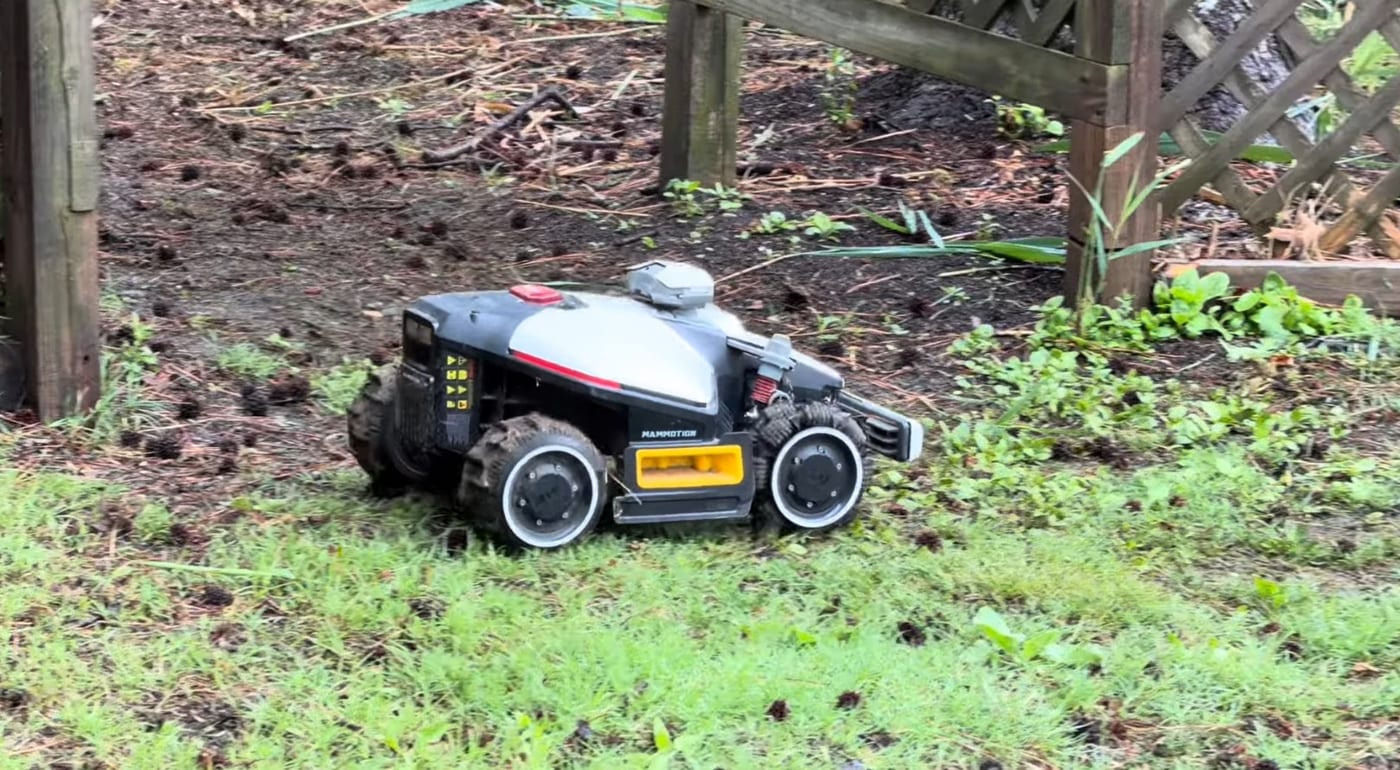 Buying GuidesAre Robot Mowers Worth It? We Ran the Numbers (2026)Are robot mowers worth the money? The honest math on cost vs a lawn service, the time you get back, the hidden costs — and the lawns where they're NOT worth it.
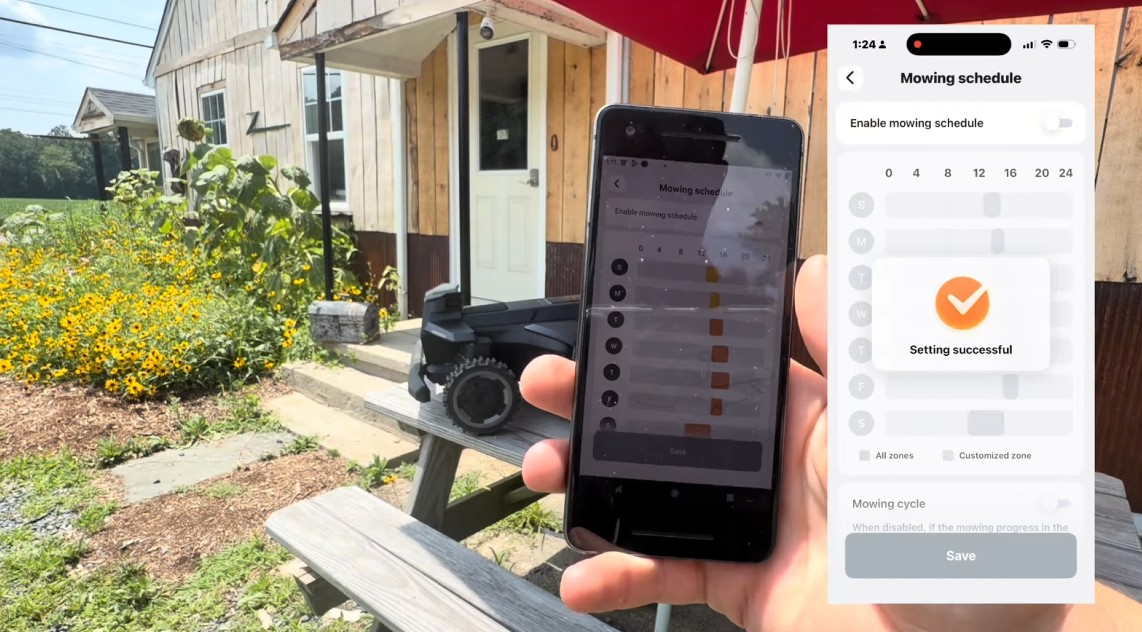 Tips & MaintenanceNavimow Scheduling Explained: End Times, Cycles & ZonesHow Navimow mowing schedules really work — the end-time trap, the Mowing Cycle toggle, the 90% battery rule, and how to build a zone-based weekly schedule.
 Installation & SetupRobot Mower Losing Signal? The Shed WiFi Extender FixA Navimow X430 kept dropping connection — marginal RTK under heavy trees and one bar of cellular. Here's how a $160 outdoor WiFi extender on a shed fixed it.
Explore the system
The mowers and pages behind this topic — see them sized to your yard.