
Dry Lawn or Dog Spots? Watering Right and Fixing the Circles
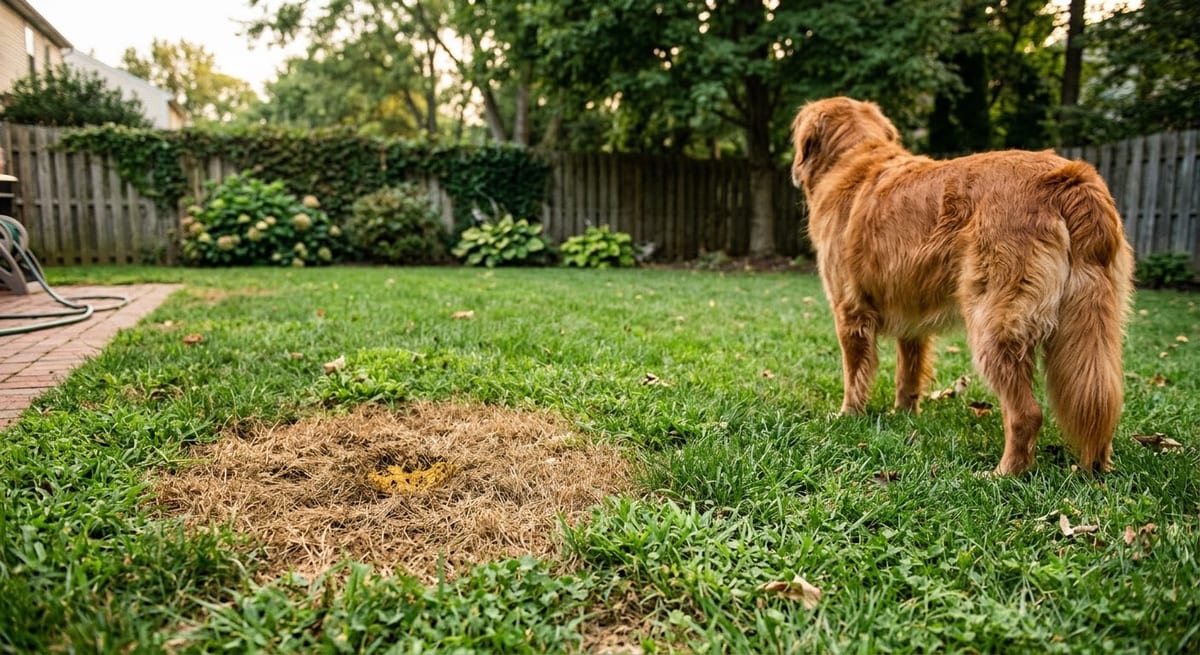
Two circles, two causes, and people mix them up every summer. A patch that’s gone dull and shows your footprints is thirsty. A dead circle with a ring of the greenest grass in the yard around it has been fertilized to death, one dog at a time. Here’s how to read each, and what to do.
Read the signs
Drought stress shows before brown. Walk across the lawn in the afternoon. If your footprints stay pressed in for a minute or more, the blades have lost the water pressure that springs them back. The color goes a dull blue-gray first, and the blades fold along their length to save water. Catch it here and one deep watering fixes it overnight. Wait for tan and it’s weeks.
A dog spot is a circle with a halo. Dead straw in the centre, a ring of lush dark green around it. Dog urine is mostly water, nitrogen and salts; a little is fertilizer (the green ring), a lot in one place burns (the dead centre). Female dogs and puppies squat, so their spots are worse than a male’s spray along the fence. Big dogs, small lawns, and dry weather make it worse.
Not either of those: a circle that widened over humid nights is a fungus; a patch where the turf lifts like carpet is grubs; a brown stripe over a bump is scalping.
The inch-a-week rule
A lawn wants about an inch of water a week, counting rain, in one or two deep waterings — not a sprinkle every evening. The difference is where the roots go. Deep, rare watering dries the surface between goes, so roots chase the water down; that lawn shrugs off a hot week. Daily sprinkling keeps the top inch damp, roots stay in it, and the lawn wilts the first afternoon the sprinkler misses. The damp surface is also fungus and crabgrass weather.
Measure it once and you’ll never guess again: set three or four tuna cans (straight sides, about an inch deep) around the lawn, run the sprinkler, and time how long the cans take to fill. That’s your inch. Sandy soil can’t hold an inch at once — split it into two goes. Clay takes it slowly — run it, stop, let it soak, run again. Cool-season grass in summer heat may want an inch and a half; warm-season grass, once rooted, is far tougher and often wants less.
When
Early morning, about 4 to 9 a.m. The water reaches the roots before the sun takes it, and the leaves dry by mid-morning. Evening is the worst time: wet leaves all night are exactly what brown patch and dollar spot wait for. Midday isn’t harmful — the story that water droplets burn grass isn’t true — it just loses a third to evaporation.
Dormancy is allowed
A cool-season lawn in a July drought has two honest choices: water it properly, or let it go dormant. The worst choice is the middle — enough water to keep it trying, not enough to keep it alive. A dormant fescue or bluegrass lawn goes tan and sleeps for four to six weeks. To keep the crowns alive, give it about half an inch every two or three weeks, keep the mower and fertilizer off it, and stay off it as much as you can. It greens up within two weeks of real rain. Warm-season lawns rarely need the choice; they’re built for it.
Dog spots
- Fresh: water. A bucket over the spot within a few hours dilutes the nitrogen and salts before they burn. If you see the dog go, follow with the hose.
- Dead centre: it won’t come back. Rake out the dead grass, loosen the soil, flood it once to flush the salts, then reseed at the new-lawn rate, cover lightly, keep moist. A tall fescue or perennial rye patch tolerates the next visit better than bluegrass.
- The fix that lasts: a corner of gravel or mulch the dog is trained to use, and water in the bowl (a well-hydrated dog’s urine is weaker). The supplements and “rocks” sold to change a dog’s urine aren’t proven, and some of the additives aren’t safe. Skip them.
- Green rings without dead centres are just a lawn getting fed in patches. A feeding for the whole lawn evens the color out.
The robot part
A drought-stressed lawn wants three things from the mower: the highest cut in its range (more blade shades more soil), fewer passes (every cut is a little stress), and no mowing at all once it’s dormant — a tan lawn has nothing to spare. The app’s summer advice moves the height up; in a real drought, pause the schedule until it greens. And a scheduling note: robots and sprinklers don’t mix well — set the robot’s running window after the morning watering has soaked in, not during it. A robot mowing at dawn through dew is fine; through a running sprinkler on soft ground, less so.
Make it your plan
Map your lawn once, tap “Dry and dog spots” on the diagnosis tiles, and the Lawn Care Plan prints the watering line for your grass and season, sizes the seed for the dead circles at the new-lawn rate, and raises the summer cut. Or send a photo to the free lawn check-up — a circle with a green halo and a dull patch with footprints in it are two things a photo reads well, and it will say which. What it can’t measure is how much water actually fell. That’s the tuna can’s job.
Frequently asked
How do I know if my lawn needs water?
It tells you before it browns. Walk across it: if your footprints stay pressed in for more than a minute, the blades have lost the water pressure that springs them back. The color goes a dull blue-gray before it goes tan, and the blades fold along their length. Water at those signs and the lawn recovers overnight; wait for brown and it takes weeks.
How much should I water my lawn?
About an inch a week including rain, in one or two deep waterings rather than a sprinkle every day. Deep and rare pushes roots down; daily sprinkling keeps them shallow and the soil surface damp — fungus and crabgrass weather. Measure it once: set a few tuna cans across the lawn, run the sprinkler, and time how long an inch takes. Sandy soil wants it split into two goes; clay wants it slower.
What time of day should I water the lawn?
Early morning, roughly 4 to 9 a.m. The water gets to the roots before the sun takes it, and the blades dry by mid-morning. Evening watering leaves the leaves wet all night, which is how you grow brown patch and dollar spot. Midday isn't harmful — the old 'it burns the grass' story isn't true — it's just wasteful.
How do I fix dog urine spots on my lawn?
For a fresh spot, water — a bucket over it within a few hours dilutes the nitrogen and salts before they burn. For a dead centre, it won't come back on its own: rake out the dead grass, loosen the soil, water it heavily once to flush the salts, seed at the new-lawn rate, cover lightly and keep it moist. The supplements sold to change a dog's urine aren't proven and some aren't safe; a gravel or mulch corner the dog is trained to use is the fix that lasts.
Should I let my lawn go dormant in a drought?
For a cool-season lawn, yes, if you're not going to water properly — half-measures are the worst option. A dormant fescue or bluegrass lawn goes tan and survives four to six weeks; keep the crowns alive with about half an inch of water every two or three weeks, keep the mower and the fertilizer off it, and stay off it as much as you can. It greens up within two weeks of real rain. Warm-season grasses are far more drought-tough and rarely need the choice.
Keep reading
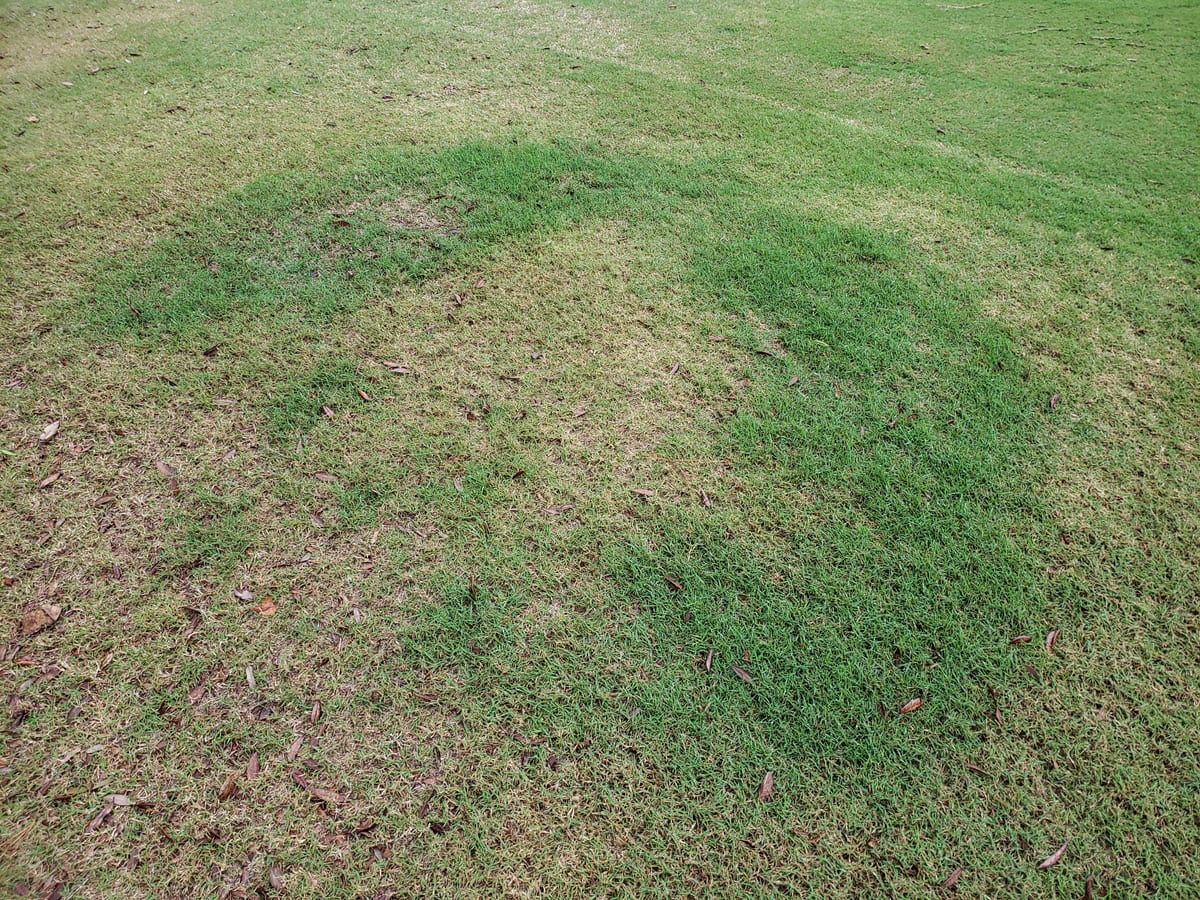 Lawn careBrown Circles in the Lawn: Brown Patch, Dollar Spot and FungusCircles that widen after humid nights are a fungus. Brown patch, dollar spot, fairy rings and summer patch told apart, the four habits that stop them, when to spray.
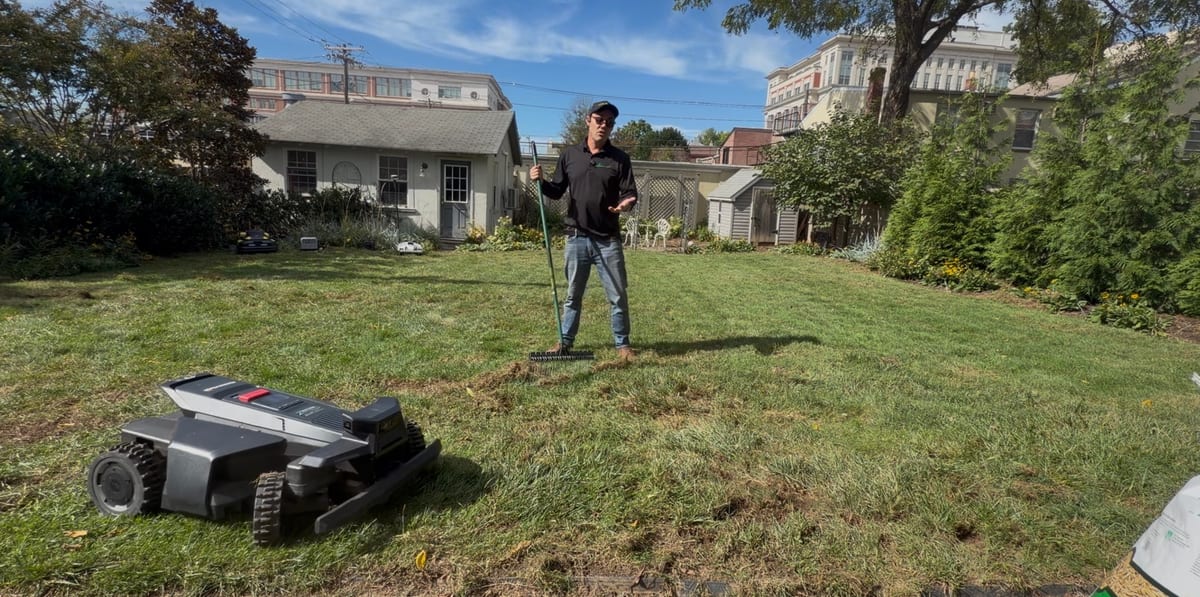 Lawn careWhy Won't My Lawn Fill In? Repairing Bare and Thin SpotsWhy bare spots never fill in (bunch grasses, shade, traffic, compaction), how much seed a patch needs, the repair in order, and when the mower goes back on.
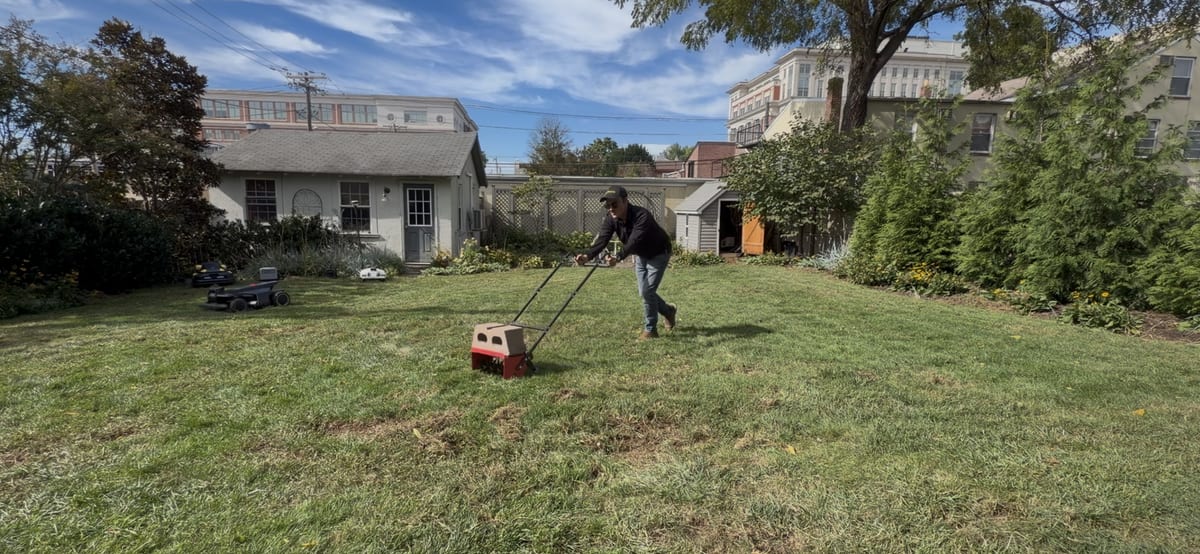 Lawn careWhy Is My Lawn Yellow? What Fertilizer Your Lawn Actually NeedsYellow all over, in patches or in stripes: three different problems. Read the color, decode the bag's numbers, feed by season, and the $15 test that beats guessing.
Explore the system
The mowers and pages behind this topic — see them sized to your yard.