
What a Professional Robotic Mower Installation Actually Looks Like

Most people shopping for a robotic lawn mower spend weeks comparing models. Cutting width, battery life, slope rating, app features. What almost nobody compares is the installation — and that’s the part that determines whether the machine becomes the best thing you ever bought for your property or an expensive lawn ornament that keeps sending you error notifications.
We recently filmed a full installation from start to finish so you can see exactly what goes into it. Above is the walkthrough of that job — below is why each step is done the way it’s done.
The mower is the easy part
Here’s the thing that surprises people: unboxing the mower and getting it to drive is maybe fifteen minutes of work. Everything else — the part that takes real time — is the infrastructure around it.
RTK reference stations. Power delivery. Signal line of sight. Boundary and zone logic that matches how you actually use your yard. Handoff and training so the homeowner isn’t guessing six weeks later.
A robotic mower is a permanent piece of equipment on your property, and it should be installed like one.
Step one: the site walkthrough
Before a single tool comes out of the van, we walk the property.
We’re looking at where the mower will live, where power is available, what the sky view looks like from potential RTK mounting locations, and where the problem areas are going to be. Tree canopy. Slopes. Narrow passages between beds. Drop-offs, water features, and anything else the mower needs to be taught to respect.
This walkthrough is also where we learn how you use the yard. Where the kids play. Where the dog runs. Which zones you want cut more often. That conversation shapes the mapping later, and it’s the reason a professional install fits the property instead of just covering it.
Step two: RTK placement — the decision that matters most
If there’s one thing we’d want a homeowner to take away from this, it’s that RTK placement is the single biggest factor in how well a robotic mower performs.
RTK (Real-Time Kinematic) positioning is what gives these mowers centimeter-level accuracy. The reference unit needs a clear, unobstructed view of the sky and a stable, permanent mounting position. Get that right and the mower tracks clean lines, returns to dock reliably, and holds its boundaries. Get it wrong and you get drift, dropped signal, missed sections, and a machine that seems to have a mind of its own.
The mistake we see constantly on DIY installs is the RTK unit staked into the ground in whatever spot was convenient — under a tree, beside the house, low enough that a hedge grows into the sightline by July.
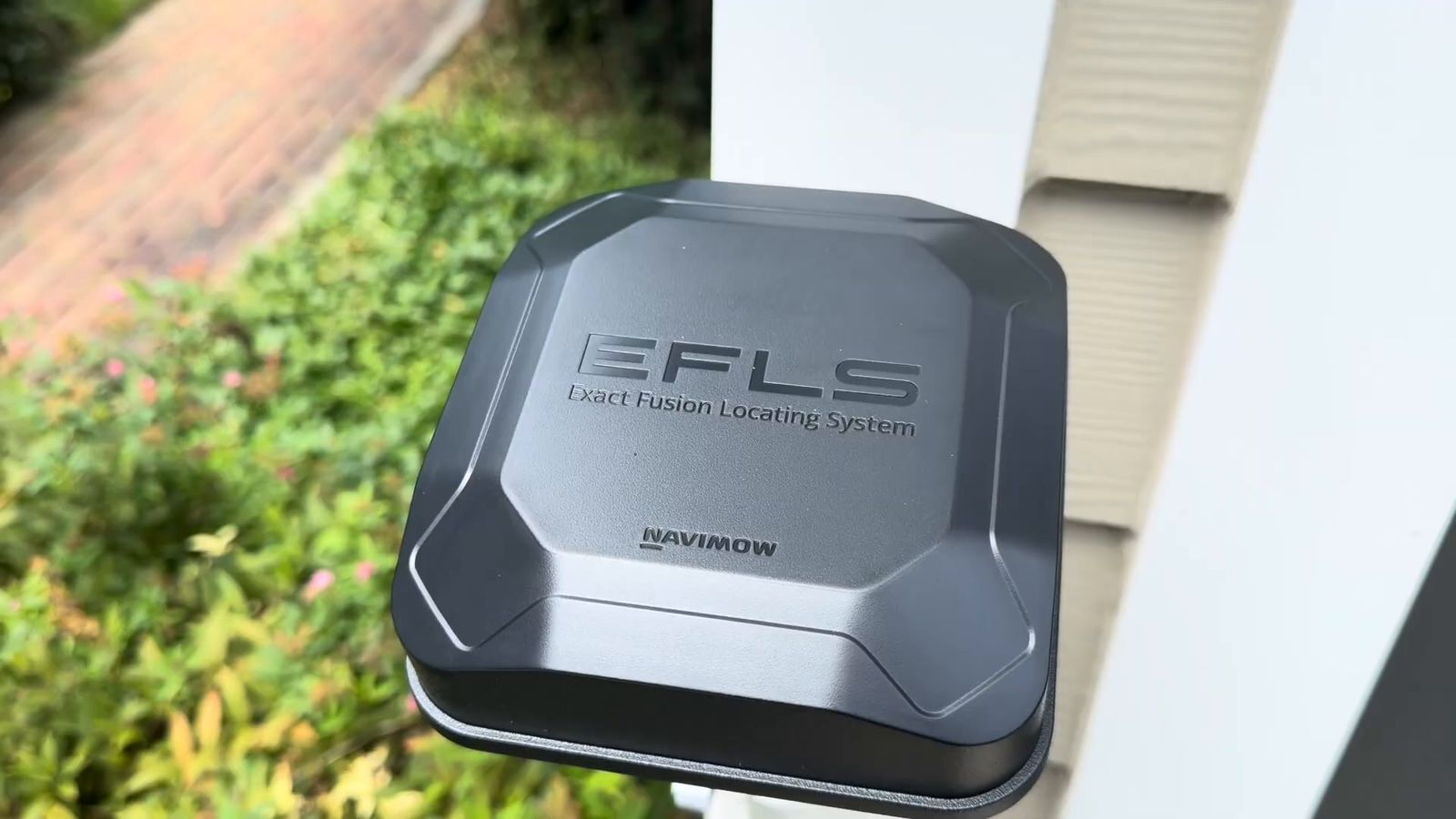
On this install we went with a wall-mounted RTK unit. Mounting it high on the structure gets it above obstructions, keeps the sky view clear year-round as vegetation grows in, protects it from string trimmers and snow, and puts it somewhere it will never be knocked out of alignment. Once an RTK reference is set and the map is built against it, moving that unit means remapping. Permanent placement, done right the first time, is worth the extra effort.
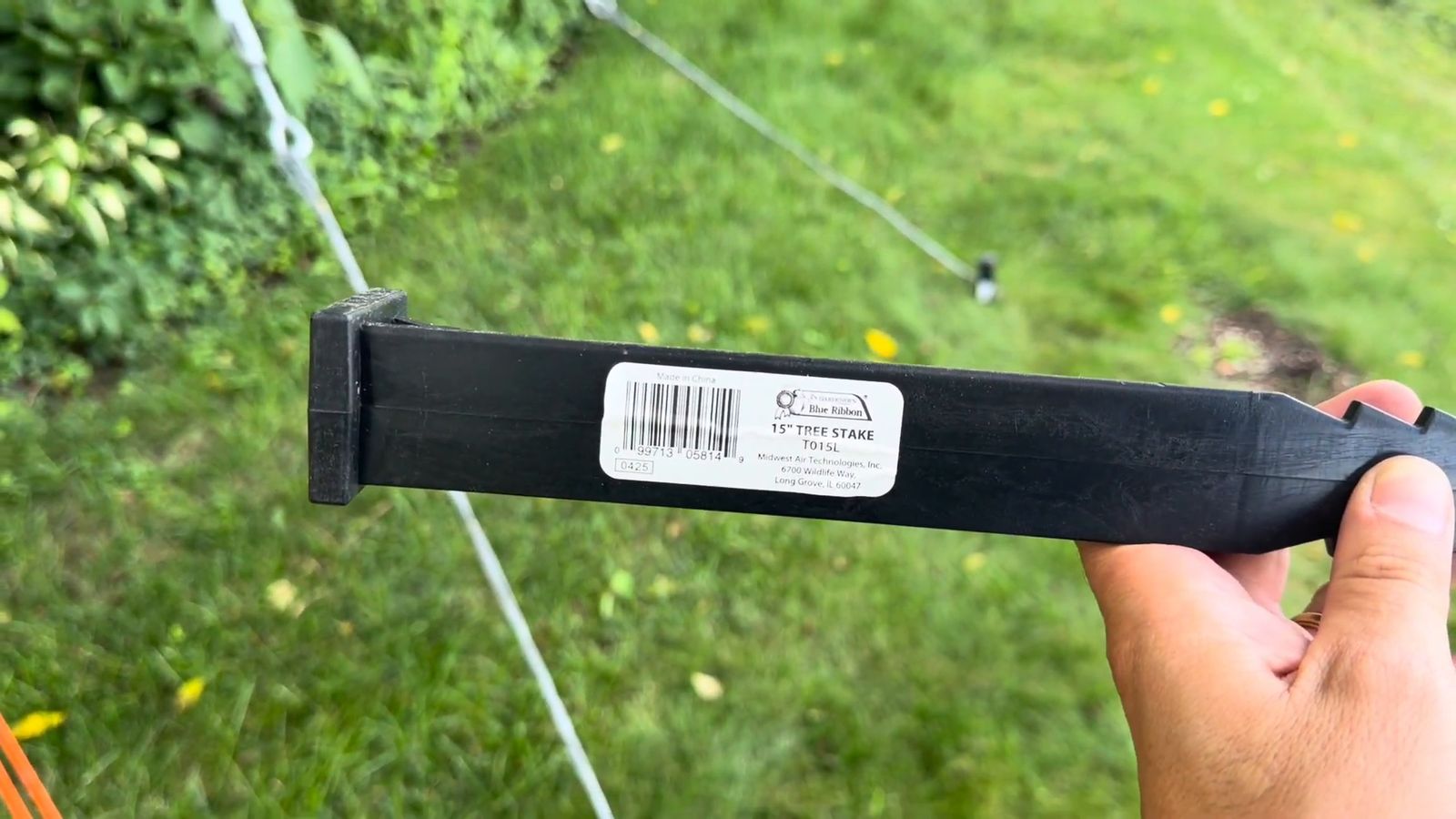
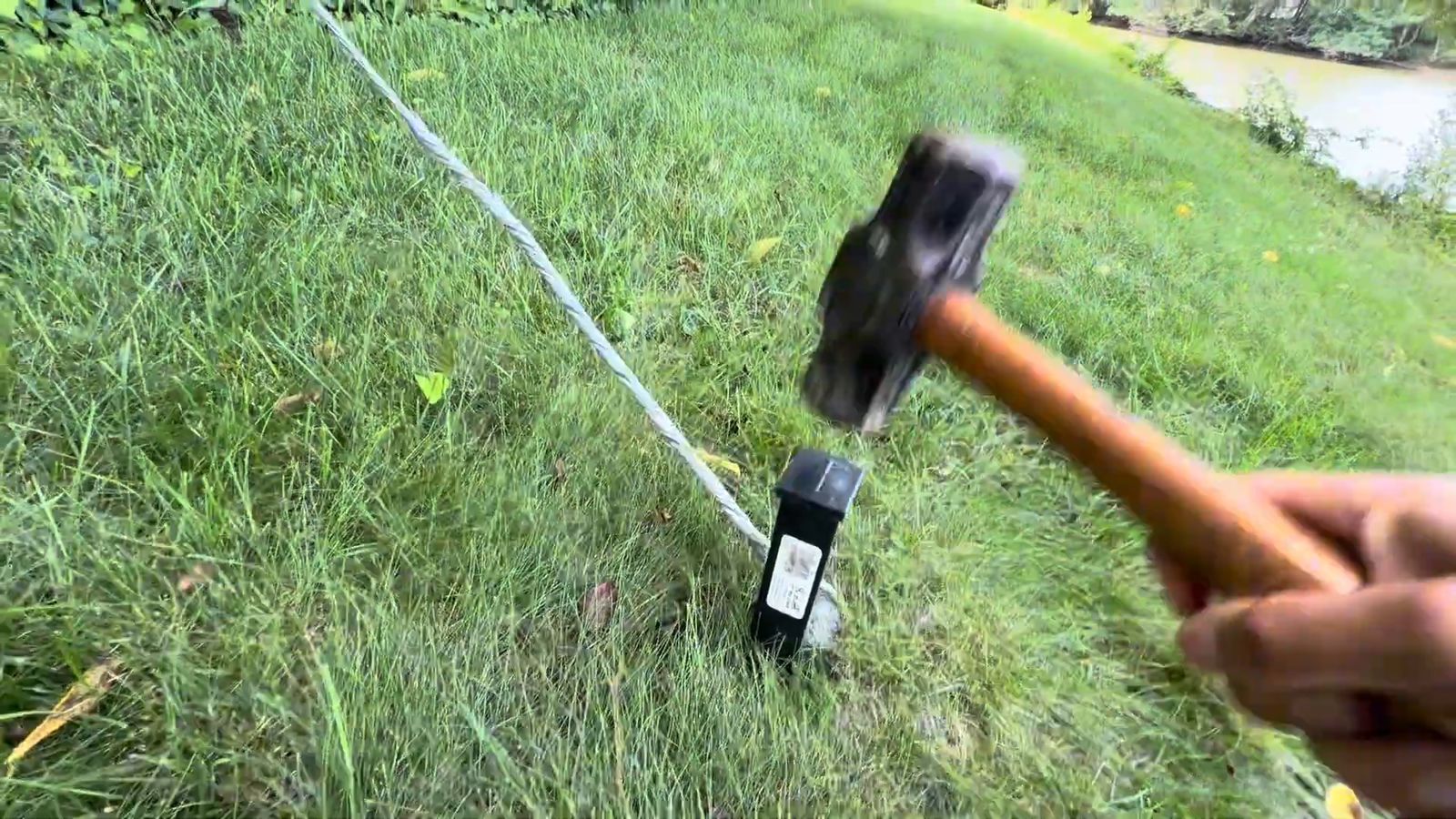
Step three: power, done properly
This is the detail that separates a professional install from a fast one.
Power supplies and transformers do not belong sitting in the grass. They get wet, they get hit by mowers and trimmers, they collect debris, they overheat, and connections corrode. It’s one of the most common failure points we see when we get called out to service somebody else’s installation.
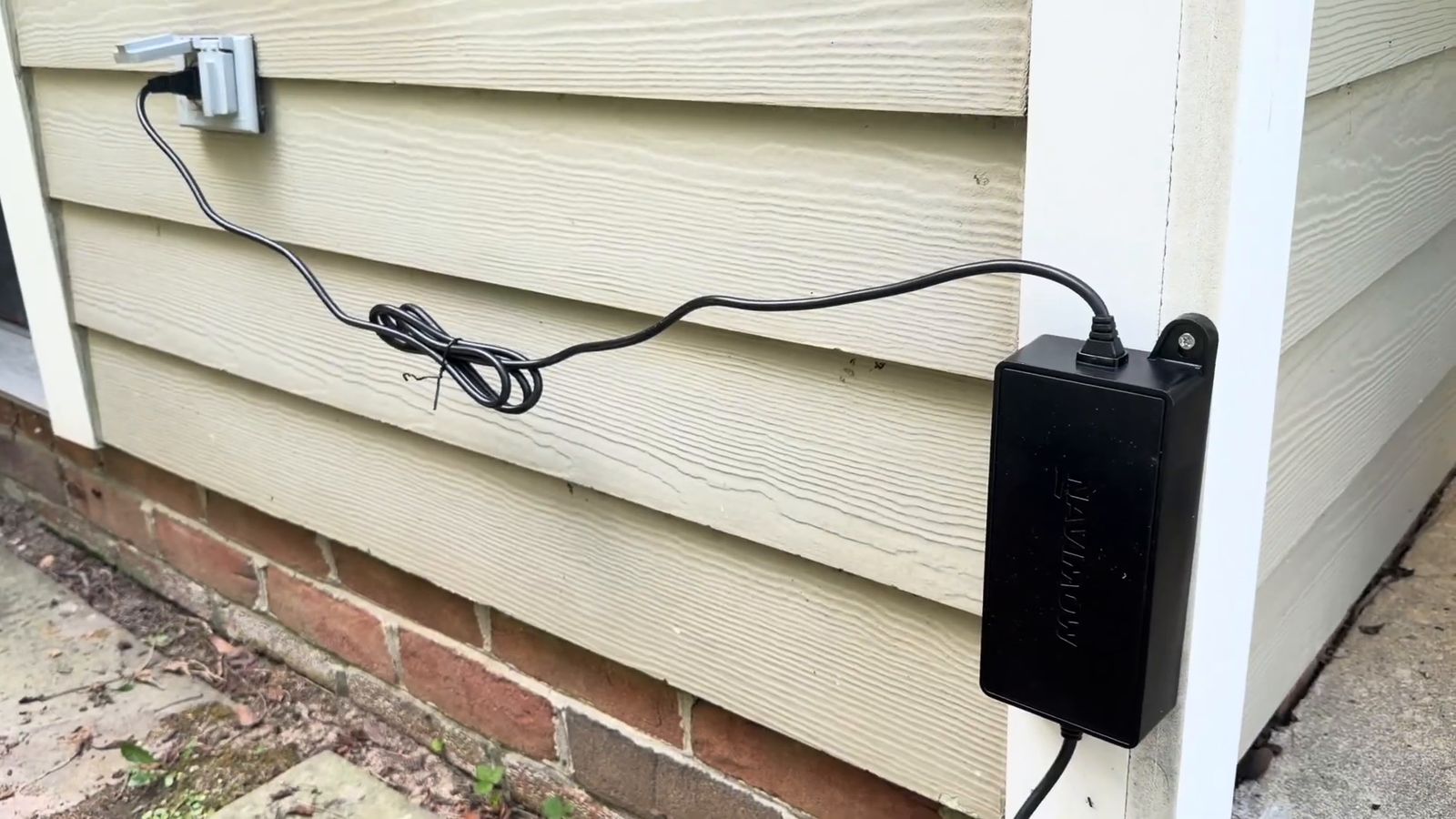
On every Zippy Lawnz install, power supplies are lifted off the ground and mounted securely to the wall. Cabling is routed and secured. Connections are protected. It takes longer, it costs us more in materials, and it means the system is still running clean three years from now instead of failing in the first heavy storm.
Step four: mapping and zones
With the RTK established and power live, we map the property.
This isn’t just tracing a perimeter. We’re building boundaries, no-go zones around gardens and features, passages between separated areas of lawn, and separate mowing zones where it makes sense to run different schedules or cutting heights.
Good mapping is where the site walkthrough pays off. A perimeter anyone can draw. A map that reflects how the property is actually used takes knowing the property.
Want a preview of what that looks like for your own yard? Our free check-my-lawn tool measures your lawn from satellite, splits it into zones, and checks the sky view — in about two minutes.
Step five: training and handoff
We don’t leave until the owner can run the machine.
That means walking through the app, setting up schedules, adjusting cutting heights, editing zones, understanding what the notifications mean, and knowing the basic maintenance — blade changes, cleaning, seasonal storage. We answer questions until there aren’t any.
Every customer also gets our owner’s handbook, so the information is on hand later when you actually need it rather than half-remembered from install day.
Why this matters more than the mower you pick
Robotic mowers have gotten genuinely good. The current generation of machines from Navimow, Mammotion, and Yarbo will cut a residential property beautifully and reliably — if the system around them is set up correctly.
Nearly every frustrated robotic mower owner we’ve talked to has one of three problems, and none of them are the mower’s fault:
- Bad RTK placement causing signal drift and navigation errors
- Exposed power that fails within a season or two
- No training, so the owner never learns to use half of what they paid for
All three are installation problems. All three are avoidable. And when a property throws something harder — tree cover degrading RTK and a cellular dead zone starving the mower of corrections — that’s still an installation problem: here’s the $160 WiFi extender fix we used on exactly that yard.
Working with an authorized dealer
Zippy Lawnz is an authorized dealer and service center for Segway Navimow, Mammotion, and Yarbo — with nationwide sales, shipping, and remote support, and hands-on installation crews across Pennsylvania, New Jersey, Maryland, Delaware, Virginia, and Colorado.
That means we’re not just selling you a box. We handle site assessment, professional installation, warranty support, and service — and when something needs attention down the road, you have a local number to call instead of a support queue.
If you’re considering a robotic mower for your property, or you’ve already got one that isn’t performing the way you expected, we’re happy to take a look.
- 📍 Check my lawn — free — real mowable square footage, zones, and a mower match in about two minutes.
- 💬 Call or Text Us: 410-725-7500 — a human who installs these for a living, not a support queue.
Frequently asked
What matters most in a robotic mower installation?
RTK reference placement, by a wide margin. RTK is what gives these mowers centimeter-level accuracy, and the reference unit needs a clear, unobstructed sky view and a stable, permanent mount. Get it right and the mower tracks clean lines and holds its boundaries; get it wrong and you get drift, dropped signal, and missed sections. The other two big ones are protected power and real owner training.
Where should the RTK reference antenna be installed?
High on a permanent structure whenever possible. Wall-mounting gets the antenna above hedges and growing vegetation, keeps the sky view clear year-round, protects it from string trimmers and snow, and means it can't be knocked out of alignment. Avoid the classic DIY mistake: staking it into the ground wherever was convenient — under a tree or low enough that a hedge grows into the sightline by July.
Can I move the RTK antenna after the lawn is mapped?
Not without consequences. Once the RTK reference is set and the map is built against it, moving the unit means remapping the property. That's why professional installs treat placement as a permanent decision and get it right the first time.
Can a robotic mower's power supply sit in the grass?
It shouldn't. Power supplies left on the ground get wet, get hit by mowers and trimmers, collect debris, overheat, and corrode — it's one of the most common failure points on DIY installs. Mount the power supply off the ground on a wall, route and secure the cabling, and protect the connections.
Do I get training with a professional robotic mower install?
With ours you do — we don't leave until the owner can run the machine. That means the app, schedules, cutting heights, zone edits, what the notifications mean, and basic maintenance like blade changes and cleaning. Every customer also gets our owner's handbook for reference later.
Keep reading
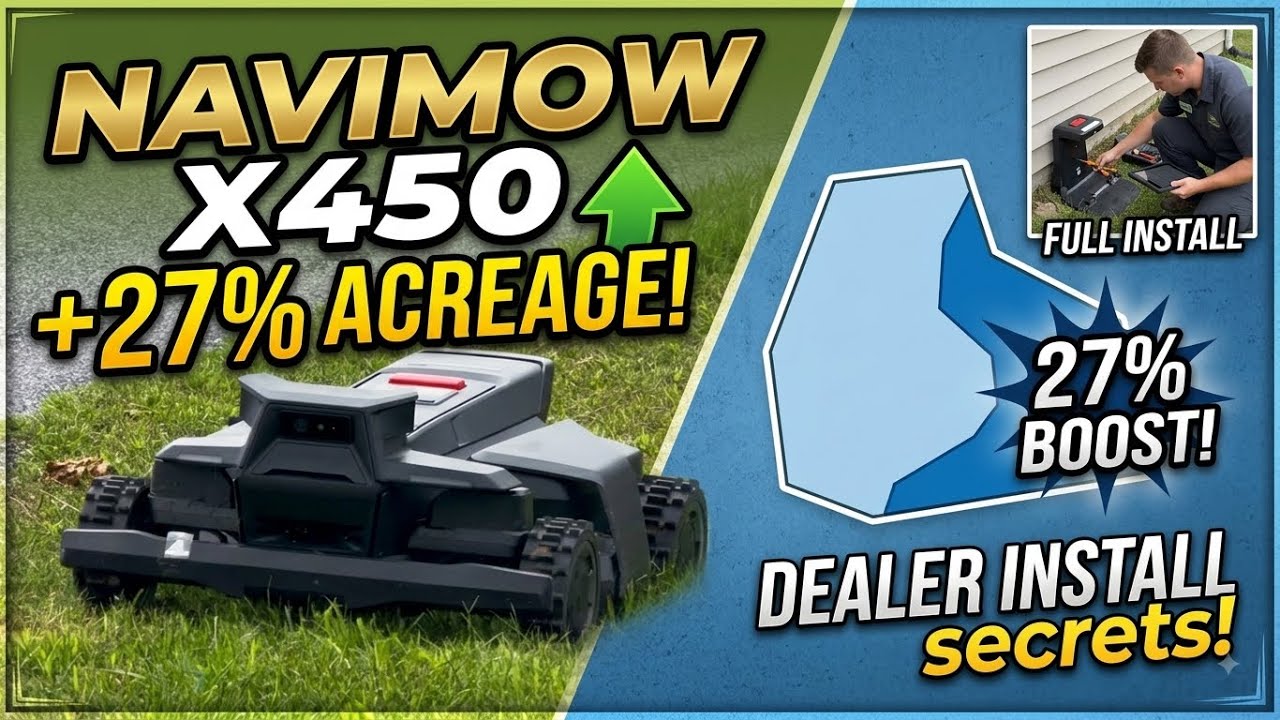 Customer InstallsNavimow X450 on 1.9 Acres: A Lewes, DE Install Beyond the Spec SheetThe Segway Navimow X450 is rated for 1.5 acres. On this Lewes, Delaware install we mapped 1.91 — how dealer-grade RTK setup, zoning and dock placement did it.
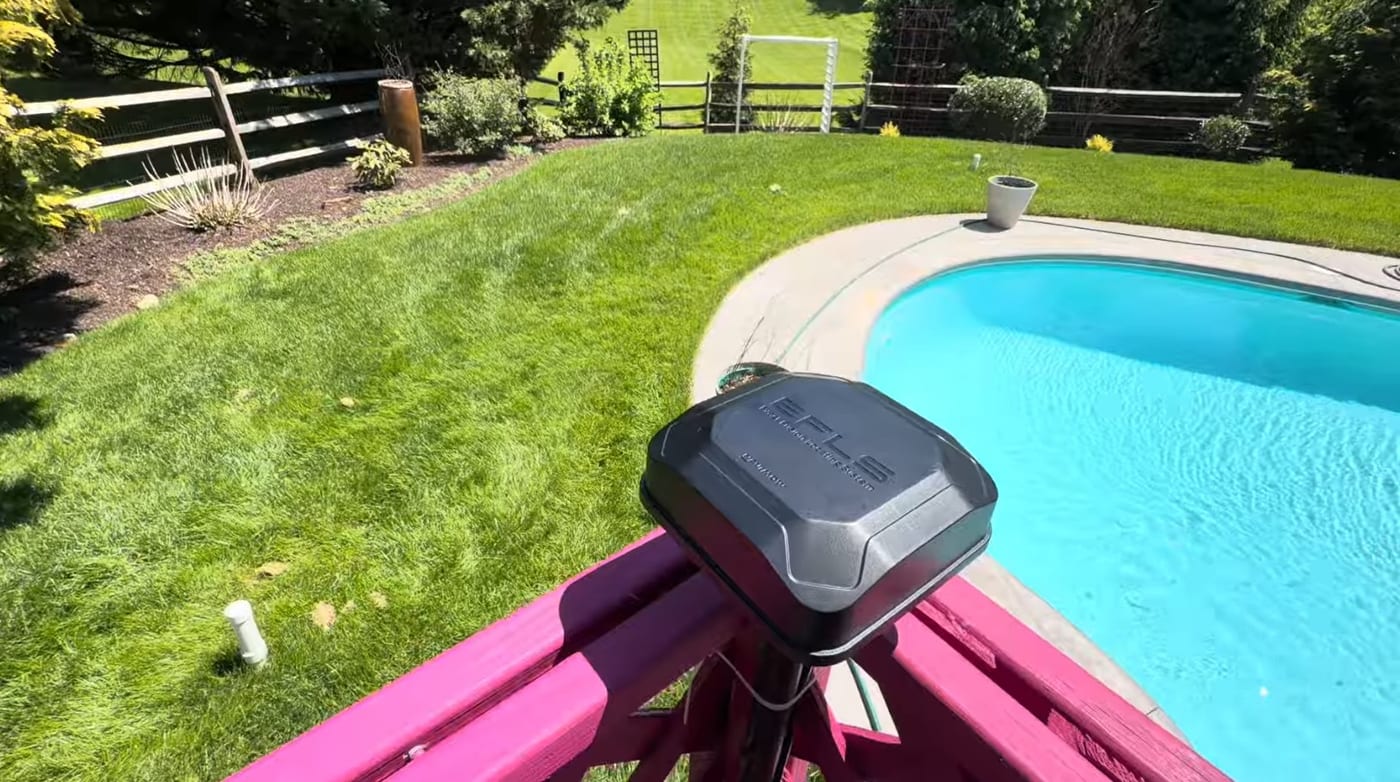 Installation & SetupWhere to Install Your Robot Mower's RTK Antenna (4 Rules)Mount your robot mower's RTK antenna wrong and it drifts after a season. The 4 rules of RTK placement — open sky, height, rigid mounting, and reflective surfaces.
 Customer InstallsHow Far Does Navimow RTK Reach Through Trees? A Paoli, PA InstallWe tested Navimow RTK range with clear line of sight and through trees, mounted a charging station on a brick patio with concrete anchors, and set up VisionFence.
Explore the system
The mowers and pages behind this topic — see them sized to your yard.