
10 Things I Wish I Knew Before Robotic Lawn Mowing
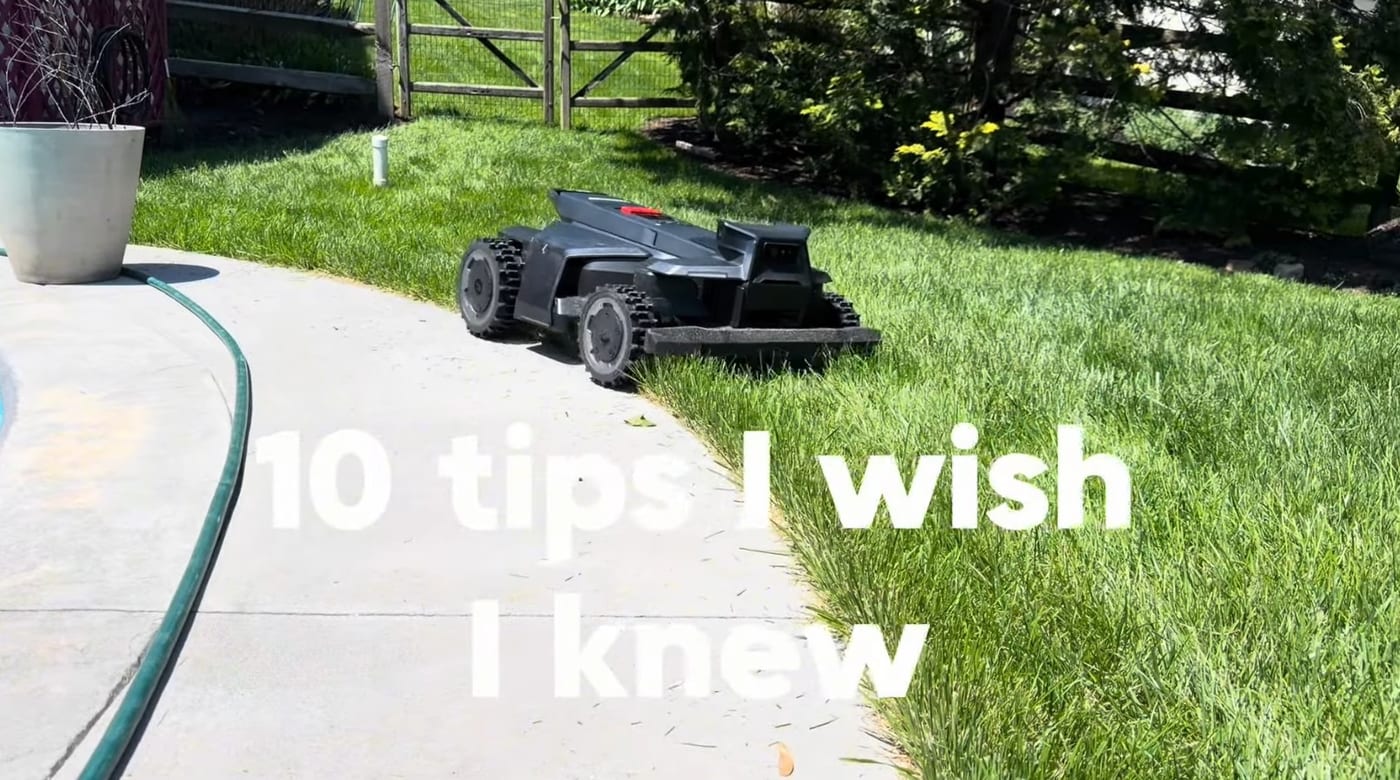
Robot mowers are incredible — but most owners are barely scratching the surface of what these machines can do. After three seasons of running them across different yards, brands and setups, the difference between a lawn that looks “okay” and one that looks professionally maintained comes down to a handful of small adjustments almost nobody thinks about.

These aren’t generic lawn-care tips. They’re specific to how robotic mowers actually map your yard and cut over time — and they apply across brands (Mammotion, Segway Navimow, Yarbo, Husqvarna, Worx and more), because they’re about how these machines think and move, not the logo on the shell. Here are the 10 I genuinely wish I’d known first.
1. Keep mulch beds flush with the grass
The single biggest visual win. If your bed edges have a raised lip — a paver border, plastic edging, a built-up mulch line — the mower has to stand off from it, leaving an uncut strip you then trim by hand. Bring the bed level flush with the grass and the mower can cut right to the edge, eliminating most hand-edging in one move.
2. Plan straight channels between zones
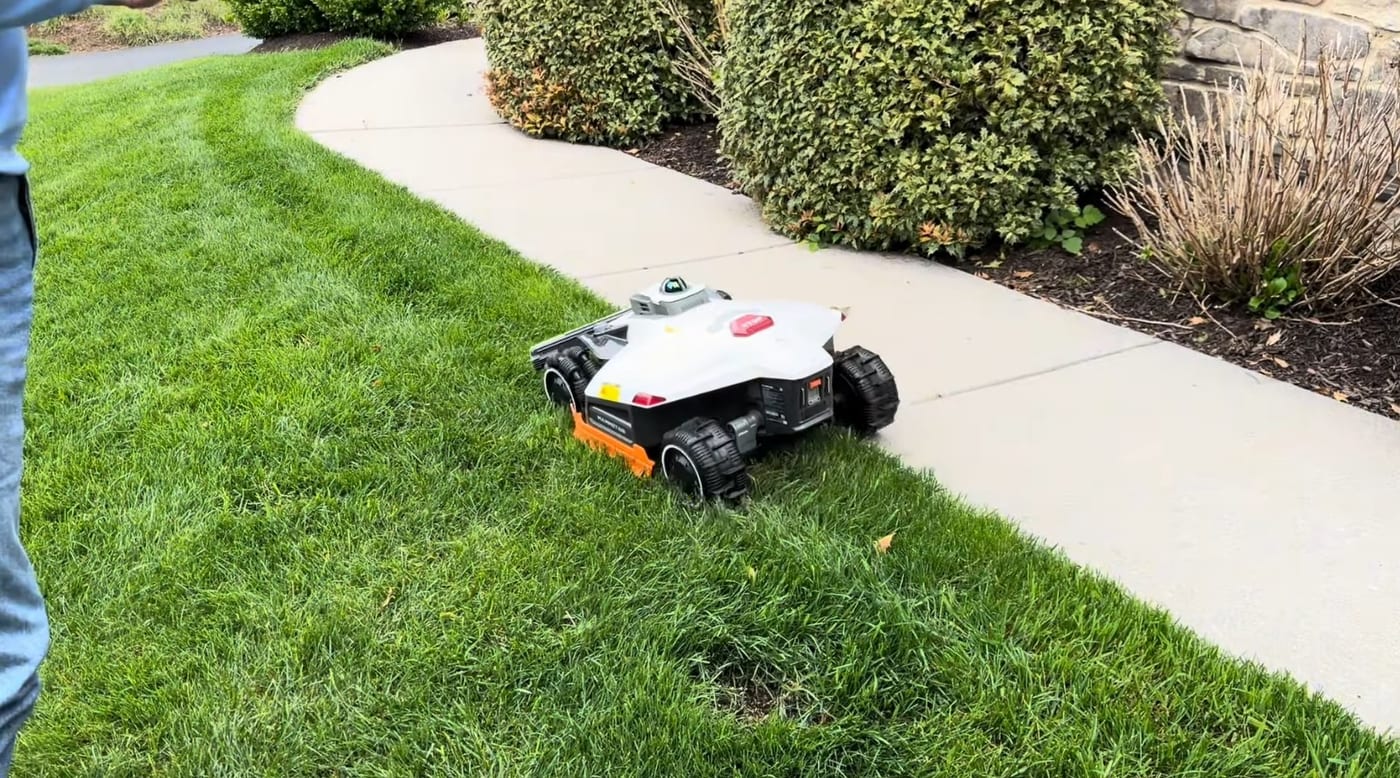
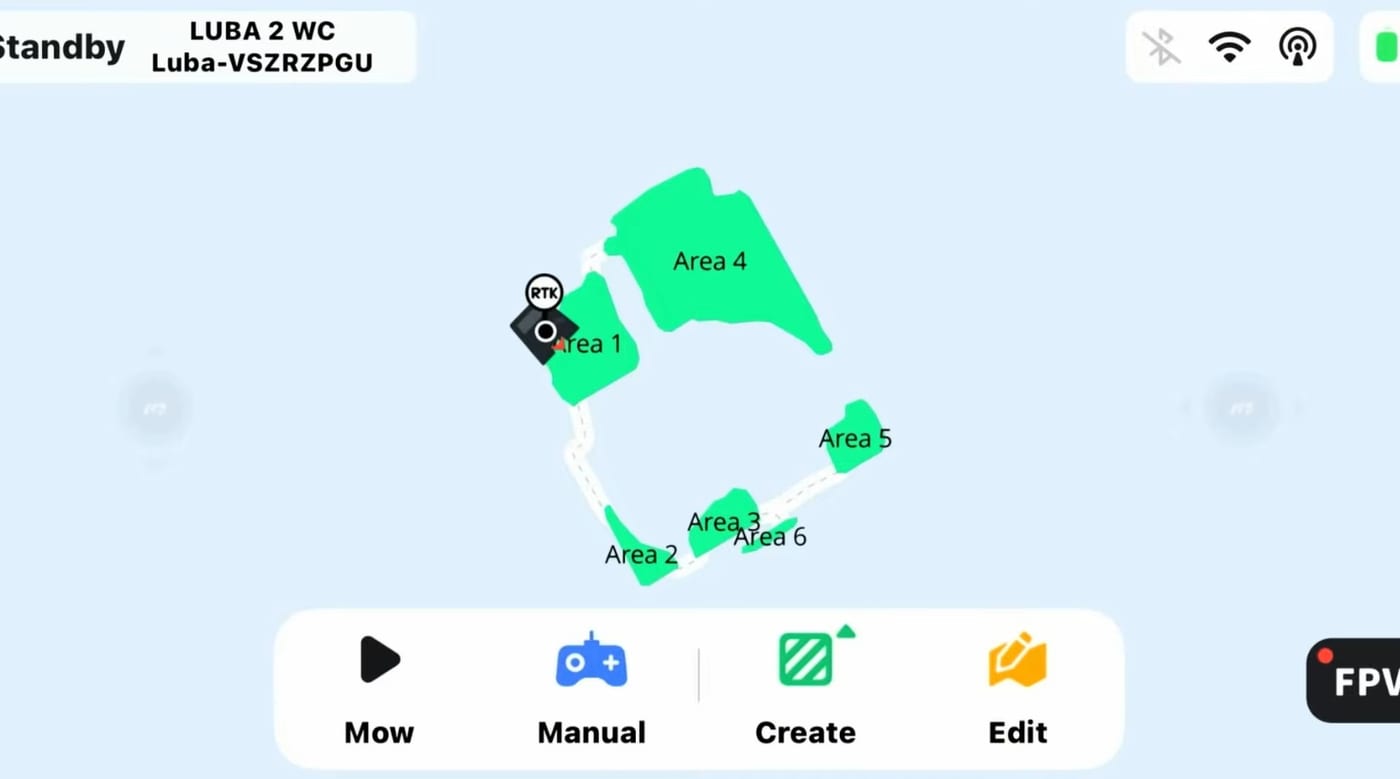
The connecting channels the mower drives between zones are where ruts get born — a crooked, narrow path driven a thousand times wears a groove. Keep them straight and as wide as the space allows. (This is one of the biggest mapping mistakes we see — the full breakdown is in our 10 robot mower mapping tips.)
3. Alternate cut direction weekly
Mow the exact same direction every time and the grass starts to lean — developing a grain, matting down, and cutting less cleanly. Changing the mowing angle from week to week keeps the grass growing upright, gives a cleaner cut, and evens out wheel tracks. Many apps let you set or vary the mowing pattern — use it.
4. Mark invisible obstacles manually
Your mower’s sensors will see the fence and the tree, but they routinely miss the small stuff: sprinkler heads, short garden lights, exposed roots, thin stakes. Anything low and thin, mark it as a small no-go zone yourself rather than trusting the mower to notice it — one clipped sprinkler head costs more than the two minutes it takes to map it.
5. Add buffer zones around no-go areas — they matter more than tight boundaries
This is the one that saves machines. Positioning drifts by a few centimeters day to day, so a boundary drawn tight to a pond, a wall, or a drop-off leaves no room for error — and eventually the mower wanders over the edge.

Leave a buffer — a margin of a foot or more — between the mowing boundary and anything the mower must never touch. You give up a sliver of edge (that you’d do a perimeter pass on anyway, see #9) in exchange for never fishing your mower out of the koi pond. Buffer zones beat tight boundaries every time. (If your mower drifts more than it should, that’s usually an antenna-placement problem — see where to install your RTK antenna.)
6. Mow daily in short bursts, not weekly marathons
Old habits say mow once a week. Robot mowers flip that: let them cut a little every day. The clippings come off so fine they mulch straight back into the turf and feed it (no bagging), the height stays perfectly even instead of yo-yoing, and short daily runs are far easier on the battery and blades than hacking off a week of growth. Little and often is the whole philosophy — and it’s what makes a robot-mowed lawn look consistently great. (Curious how far a daily run gets on one charge? See how long a robot mower battery lasts.)
7. Mount your RTK base high and permanent
If your mower uses an RTK antenna, its placement decides whether the whole system is reliable — mount it high, in the open, and rigidly, and leave it there. It’s the difference between years of clean cuts and a mower that slowly drifts off its map. We wrote the full guide on this: where to install your robot mower’s RTK antenna.
8. Raise the deck during heat and drought
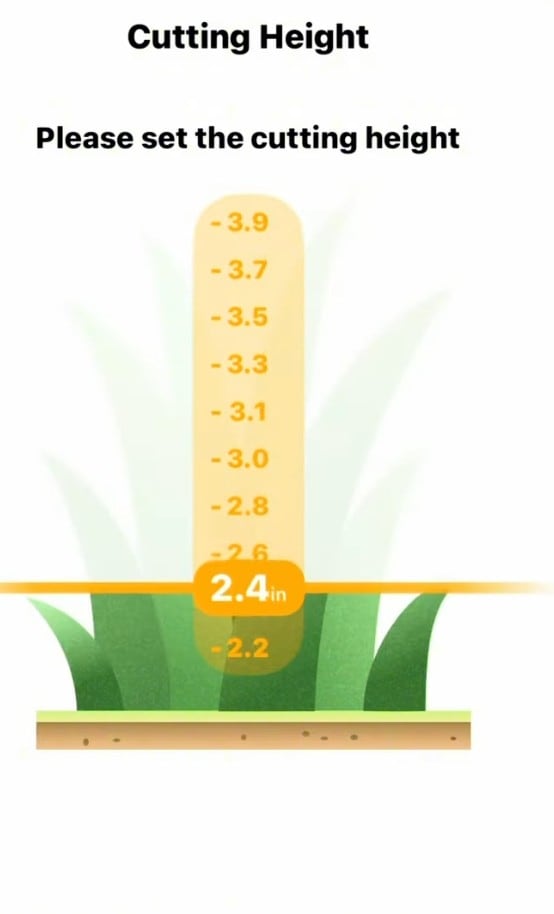
When it turns hot and dry, raise the cutting height. Taller grass shades its own roots and the soil beneath, holds moisture longer, and rides out heat stress far better than a scalped lawn. Set the deck higher through the worst of summer, then bring it back down when things cool off. (Never take more than a third of the blade in one cut.)
9. Schedule a weekly perimeter-only pass
Give the mower a dedicated edge lap once a week — a run that just traces the boundary. It keeps your edges crisp, cleans up the sliver you left as a buffer in #5, and cuts your hand-trimming to almost nothing. Small setting, big difference in how “finished” the lawn looks.
10. Sharp blades and a clean deck
The unglamorous one that quietly decides cut quality. Those little blades are razors, and they dull and chip — a dull blade tears grass instead of slicing it, leaving brown, frayed tips that stress the lawn and invite disease. Rotate or replace them on a schedule, and rinse the caked grass off the deck so it cuts cleanly and airflow stays good.

The through-line: these machines reward a little attention
Almost every tip here is small — flush a bed, widen a channel, raise the deck, rinse the blades, leave a buffer. None of it is hard. But stack them together and you get the difference between a lawn that’s merely “handled” and one that turns heads. Get the setup right once, build a few good habits, and a robot mower doesn’t just save you time — it makes your lawn look better than you did by hand.
Not sure which mower or setup fits your yard? That’s what we’re here for.
- 📍 Check my lawn — free — we measure your lawn from satellite and size the right mower and schedule.
- 🗺️ Book a free mapping call — we’ll plan zones, channels, buffers and antenna placement with you.
And the flip side — the mistakes that wreck these machines: 10 things you should never do with a robot mower.
Frequently asked
Should a robot mower cut every day or a few times a week?
Every day, in short bursts — not a weekly marathon. Robot mowers are built for frequent light cutting. Trimming a tiny bit daily drops fine clippings that mulch straight back into the lawn (feeding it), keeps the height perfectly even, and is easier on the battery and blades than hacking off a week's growth at once.
How do I stop my robot mower from leaving an uncut strip along my beds?
Two things. First, keep mulch beds flush with the grass — a raised paver or plastic border lip forces the mower to stand off the edge, leaving a strip you then have to hand-trim. A flush bed lets it cut right up to the line. Second, schedule a weekly perimeter-only pass so the edges stay crisp.
What cutting height should a robot mower use in summer?
Raise the deck during heat and drought. Taller grass shades its own roots and the soil, holds moisture, and handles heat stress far better than a low cut. Set it higher through the hottest stretch, then bring it back down when conditions ease. As a rule, never remove more than a third of the blade at once.
How often should I clean or change robot mower blades?
Regularly — the little razor blades dull and chip with use, and a dull blade tears grass instead of slicing it, leaving brown, frayed tips that invite disease. Rotate or replace them on a schedule, and rinse the caked grass off the deck so it cuts cleanly and airflow stays good.
Do these tips work for any robot mower brand?
Yes. They're rooted in how these machines map and cut — not which logo is on the shell — so they apply across Mammotion, Segway Navimow, Yarbo, Husqvarna, Worx, EcoFlow and other RTK or wire-based systems.
Keep reading
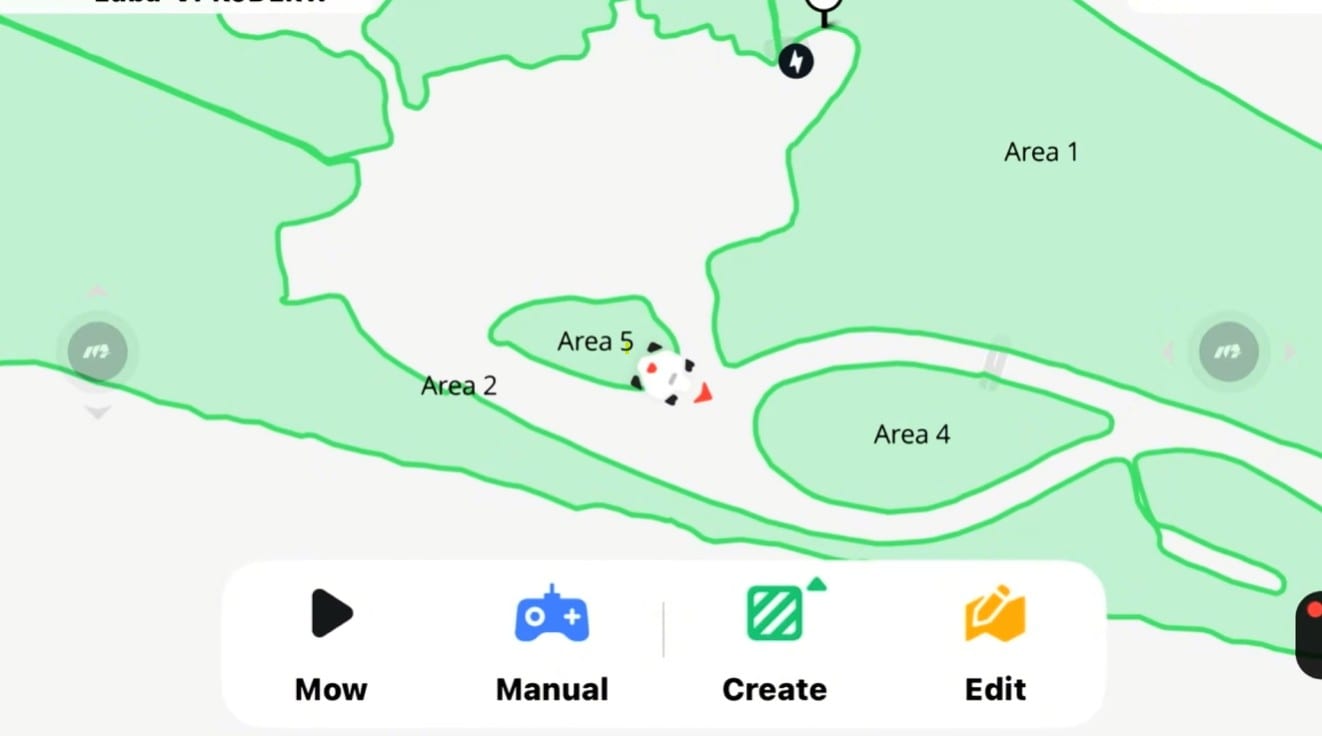 Tips & MaintenanceYour Robot Mower's First 30 Days: The New-Owner ChecklistJust got a robot mower? The first-month checklist: mapping week, the schedule settings that matter, height step-downs, and your first blade change — in order.
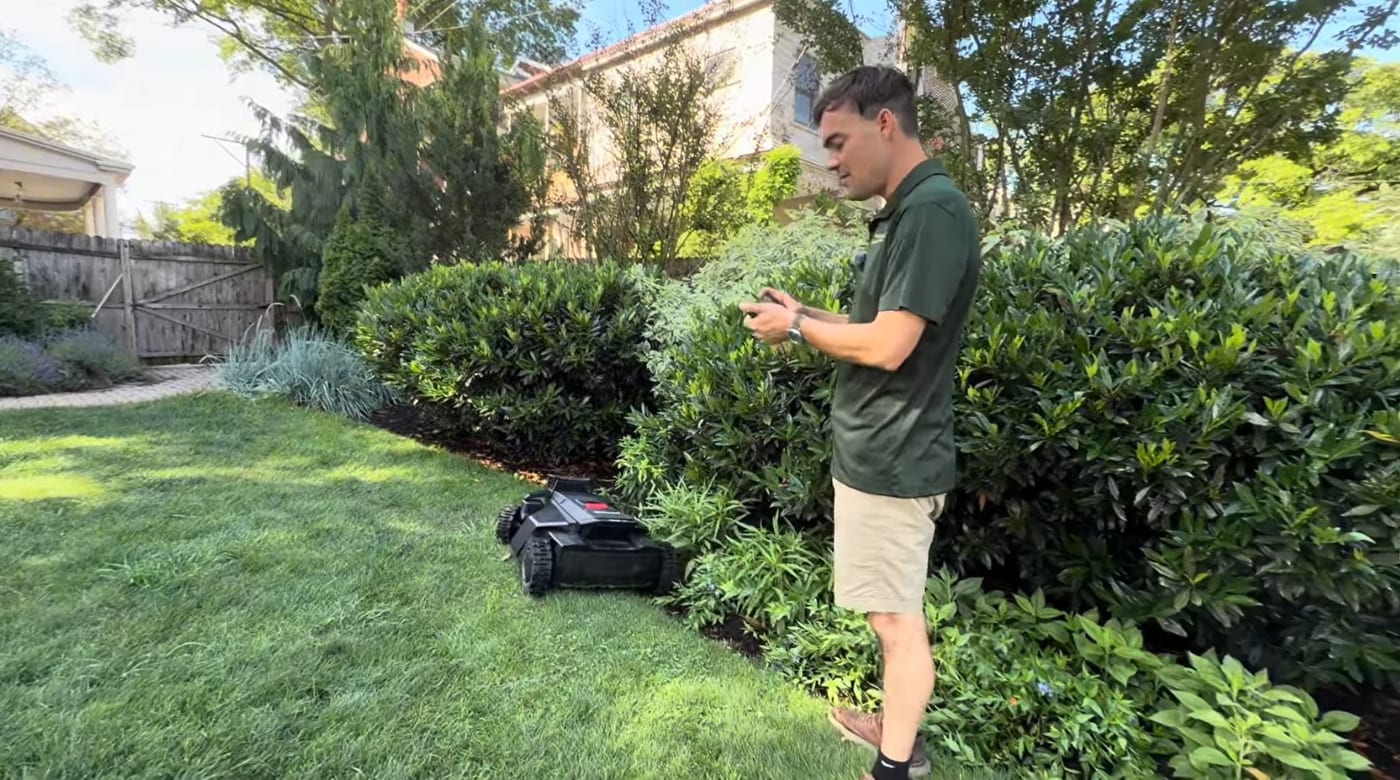 Installation & Setup10 Robotic Lawn Mower Mapping Tips (Avoid Costly Mistakes)Mapping makes or breaks a robot mower — most problems trace back to it. 10 tips on dock placement, channels, no-go zones, virtual fences, RTK signal and more.
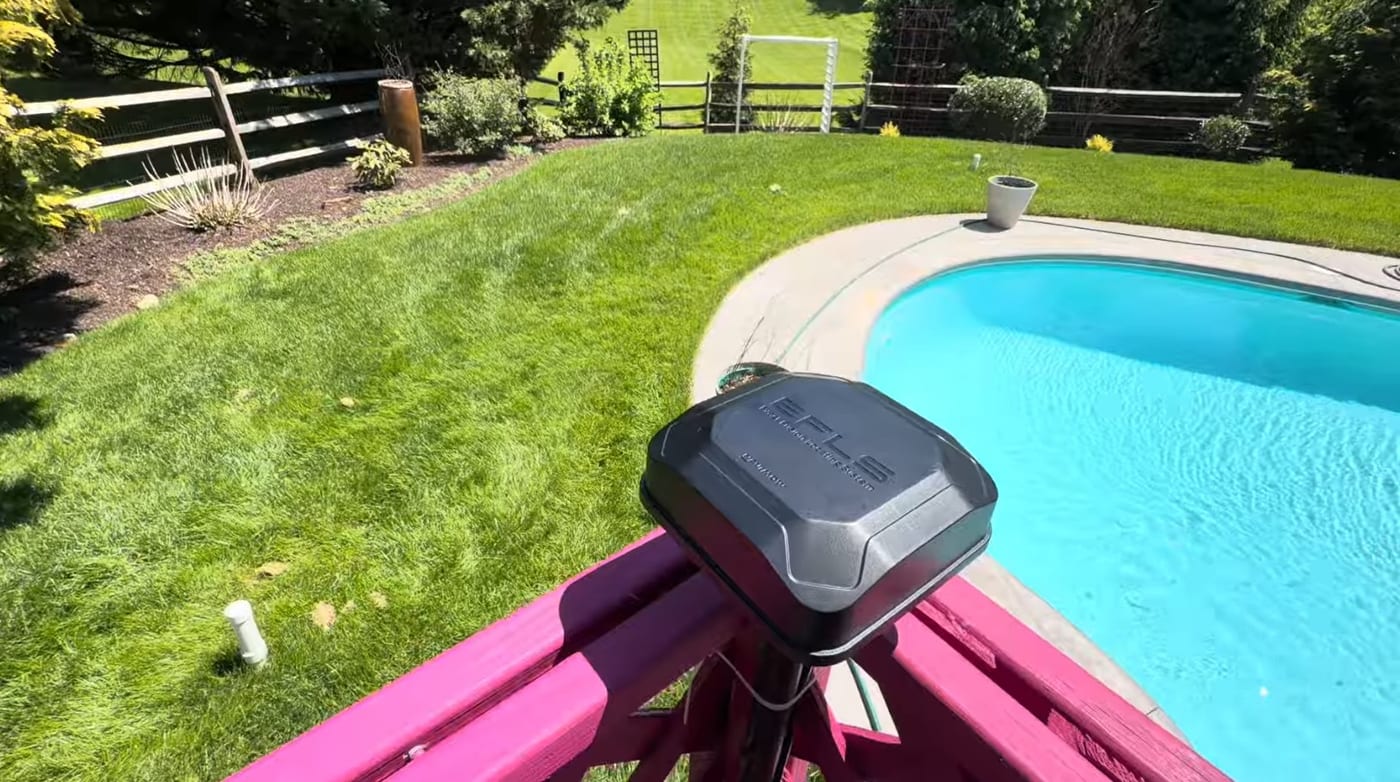 Installation & SetupWhere to Install Your Robot Mower's RTK Antenna (4 Rules)Mount your robot mower's RTK antenna wrong and it drifts after a season. The 4 rules of RTK placement — open sky, height, rigid mounting, and reflective surfaces.
Explore the system
The mowers and pages behind this topic — see them sized to your yard.