
10 Creative Ways to Use Your Robot Mower (Beyond Mowing)
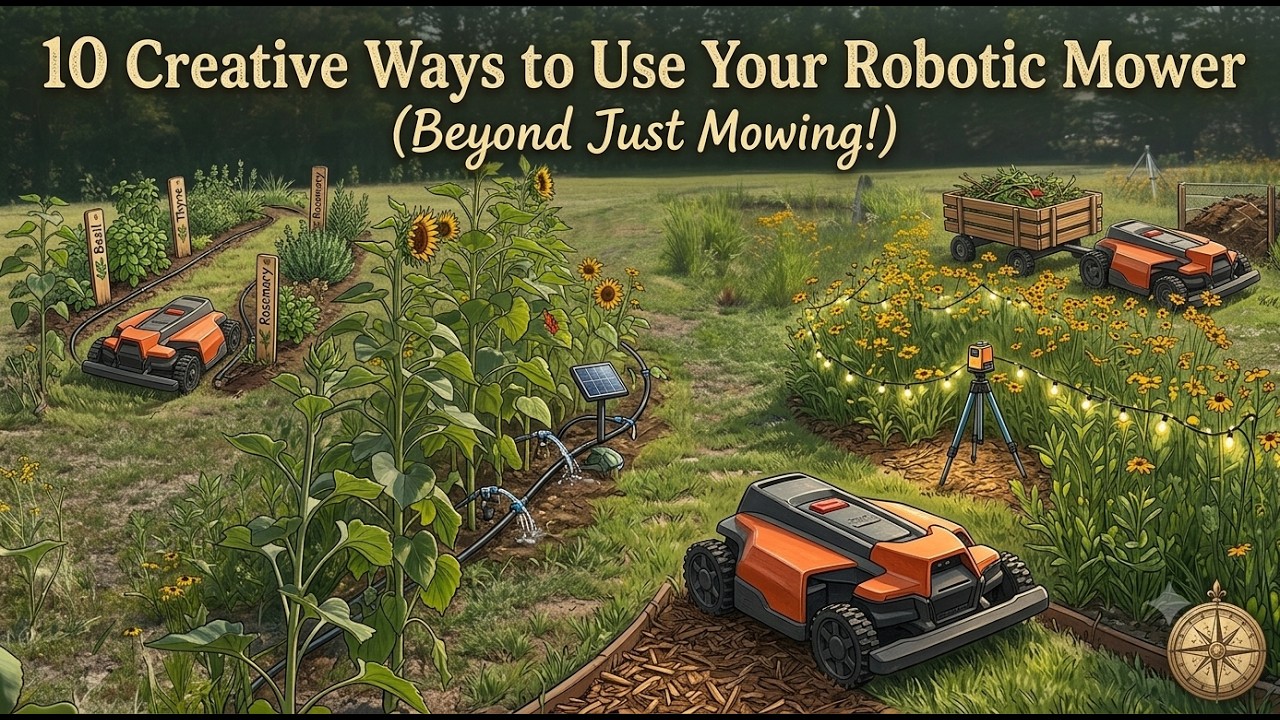
Most people buy a robot mower to stop mowing. But once it’s mapped and zoned, it becomes something closer to a hands-free gardening tool — able to shape pathways, protect pollinators, tame drainage ditches and even keep a putting green, all on autopilot.
In the video above, filmed at our Easton, Maryland HQ, we walk through ten of our favorite creative uses — with the cut height and grass type that actually work for each (cool-season picks for PA and Maryland, warm-season options for further south). Here’s the rundown.
1. Low-cut pathways
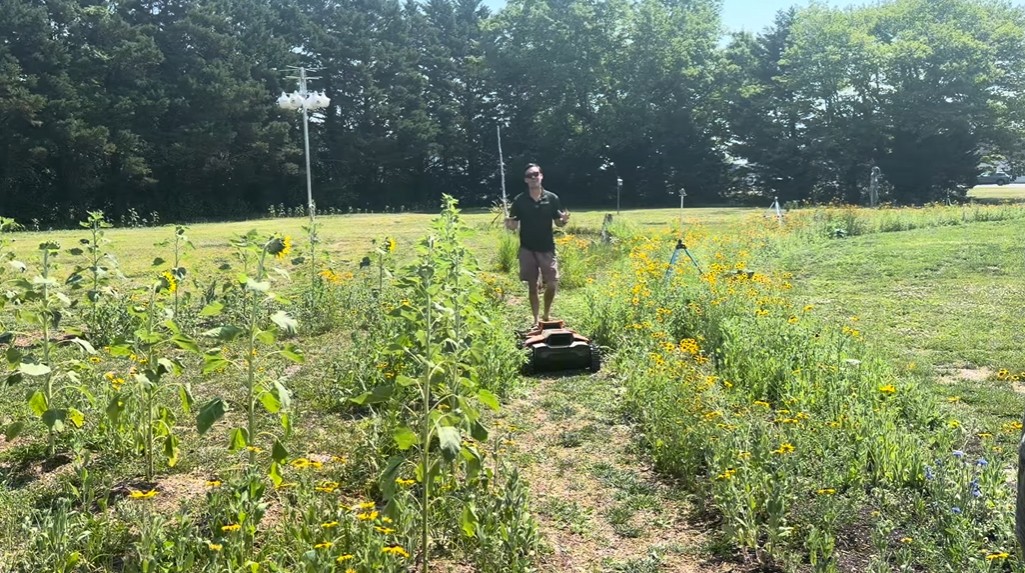
Set a narrow zone at a shorter cut height than the rest of the lawn and the robot mows a crisp “trail” through your yard — a walking path, a mowed route to the shed, or a design line. Aim for roughly 1–1.5″ on the path against a taller surrounding lawn. Cool-season tall fescue and perennial ryegrass handle it; warm-season bermuda and zoysia love being kept low.
2. Tall transition zones
Jumping straight from a 1″ path to a knee-high meadow looks abrupt. A medium-height transition band (around 3–4″) softens the step between short turf and tall no-mow areas so the whole yard reads as intentional. Fine fescues and tall fescue are forgiving here.
3. No-mow pollinator zones
Want a wildflower or pollinator patch? Just leave it out of the mow map. The robot simply never enters it, so you get a tidy lawn and habitat on the same property — no wire, no fuss. Native mixes and fine fescues shine in the untouched zone.
4. Drainage ditches & swales
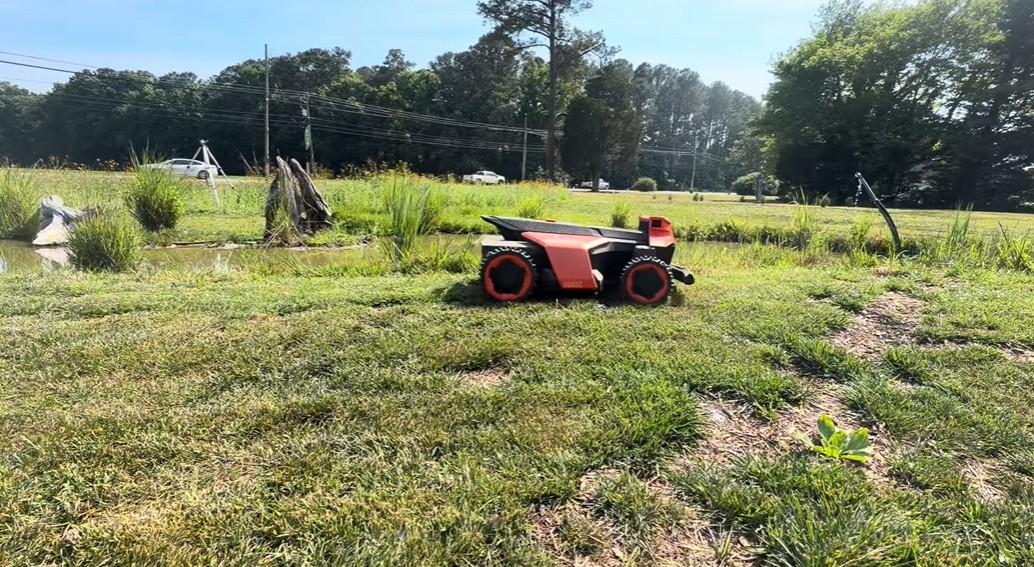
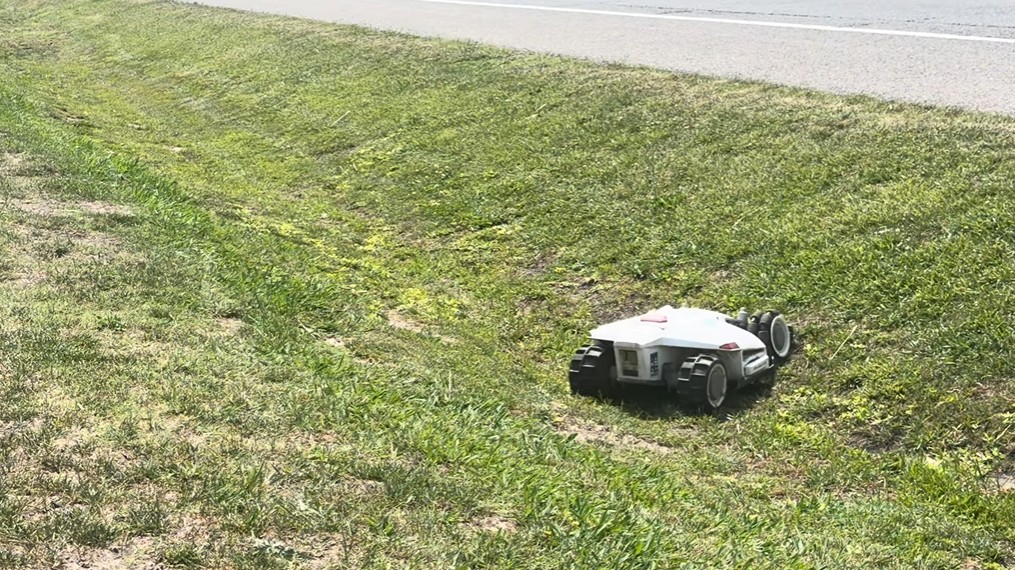
Ditches and swales get overgrown fast and are miserable to trim by hand. Map the ditch as its own zone and an all-wheel-drive or tracked mower keeps it short and controlled so water still flows. (Steep, wet banks are exactly where a rugged, slope-rated machine earns its keep.)
5. Engineer out the edging
This is the one that saves the most time: map your zone boundaries right up to the hardscape — beds, driveway, walkways — so the robot cuts a clean line to the edge and you never string-trim again. It comes down to precise mapping (RTK + vision), which is the whole point of getting the setup right.
6. Seasonal cut heights
Your ideal height changes through the year. Raise the deck in summer — taller grass shades the soil, holds moisture and grows deeper roots through heat and drought — then lower it in spring and fall for a tighter cut. A robot lets you change this in the app in seconds instead of adjusting a mower deck.
7. Backyard putting green
A putting green needs very short, very frequent mowing — punishing for a weekend push mower, effortless for a robot that cuts a little every day. Set a low deck (~0.5–1″) on a dedicated zone and use a green-appropriate grass: bentgrass in cool climates, a fine bermuda down south.
8. Free natural fertilizer (grasscycling)
Because a robot removes only a few millimeters daily, the clippings are tiny — they fall back into the canopy and decompose within days, returning nitrogen to the soil. That’s free fertilizer every time it runs, and nothing to bag or haul.
9. Framing wild areas
Have a natural or wooded patch you want to keep? Mow a crisp, clean border around it with the robot and the wild area instantly looks designed rather than neglected. A mowed frame is the difference between “meadow” and “mess.”
10. Wake up to a done lawn
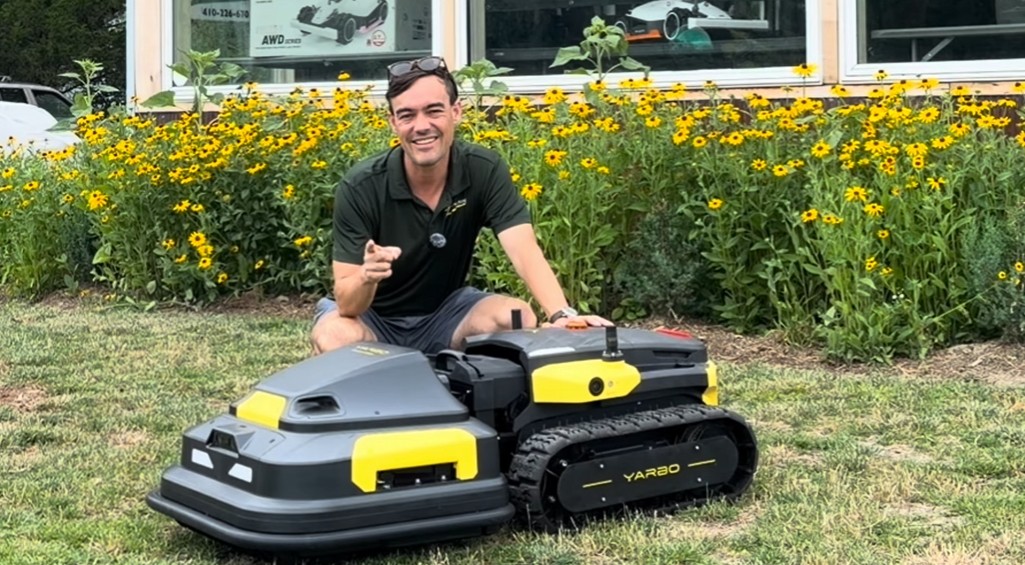
Schedule the robot to run so your lawn is freshly cut by the time you’re up — coffee in hand, nothing to do. (Just aim the window for after the morning dew burns off for the cleanest cut.)
It all comes down to how your lawn is zoned
Almost every idea here depends on one thing: how your yard gets mapped and zoned in the first place. Get the zones and cut heights right and the robot does the rest — hands-free, all season.
Want to see what’s possible on your property? Start with a free lawn check — we measure your yard from satellite and show you how it’d zone up — or book an in-person walk-through:
- 📍 Check my lawn — free (2 minutes, from satellite)
- 🗓️ Book a free lawn-mapping meeting (we walk your specific yard)
- 📘 Download the free Robotic Lawn Mower Owner’s Handbook
Frequently asked
Can a robot mower cut different heights in different parts of the yard?
Yes — with multi-zone mapping you set a different cut height per zone. That's what makes tricks like a low-cut pathway through a taller lawn, or a putting green next to a normal yard, possible without any hand-trimming.
Can I set a no-mow zone for pollinators or a wild area?
Absolutely. You simply exclude that area from the mow map (or mark it as a no-go), and the robot avoids it. It's the easiest way to keep a tidy lawn and a wildflower/pollinator patch on the same property.
Can a robot mower really maintain a backyard putting green?
It can — a putting green needs very frequent, very low cutting, which is exactly what robot mowers do best (a little every day). You'll want a green-appropriate grass like bentgrass (cool-season) or a fine bermuda (warm-season) and a low deck setting.
Does 'grasscycling' with a robot mower actually fertilize the lawn?
Yes. Because a robot cuts tiny amounts daily, the clippings are small enough to fall back into the canopy and break down fast, returning nitrogen to the soil — free fertilizer, no bagging.
Keep reading
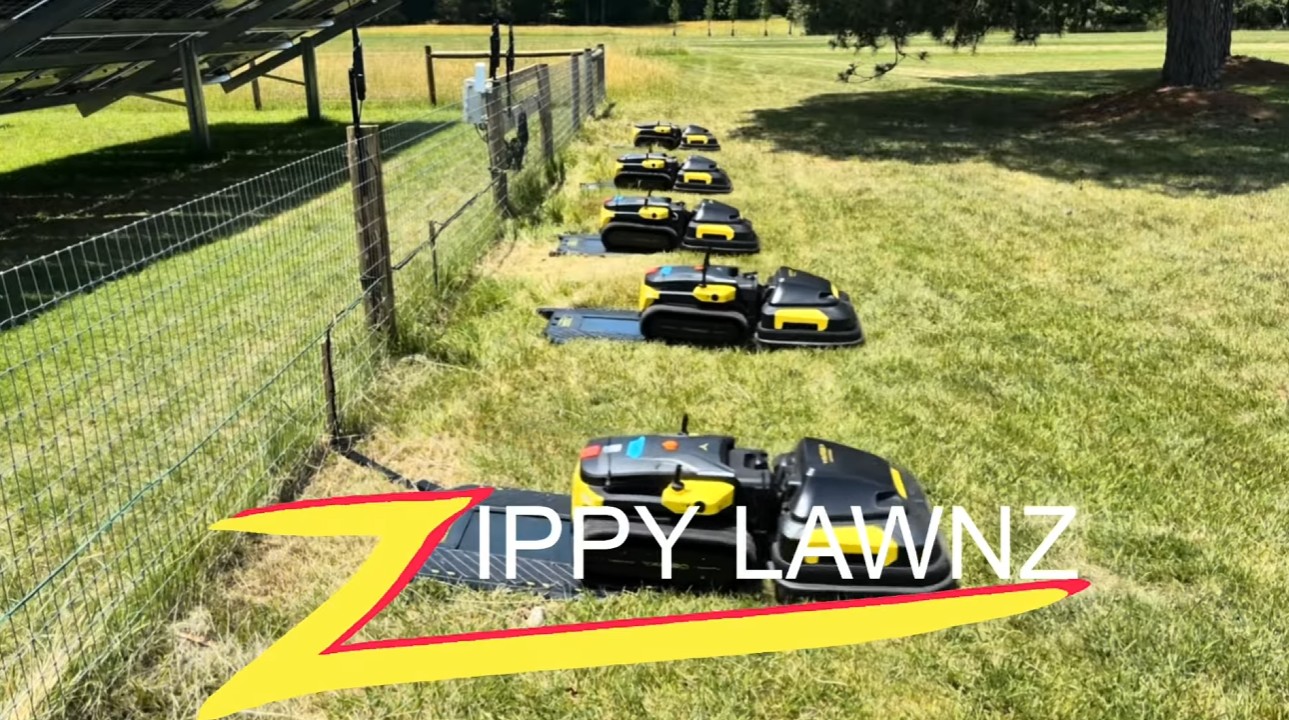 Buying guideBest Robot Mower for Large Lawns (2026): Yarbo vs Navimow vs MammotionThe best robot mowers for large lawns and acreage — LUBA 3, Navimow X450, Yarbo Pro and the commercial Terranox — matched to your acres, from 1 to 6+.
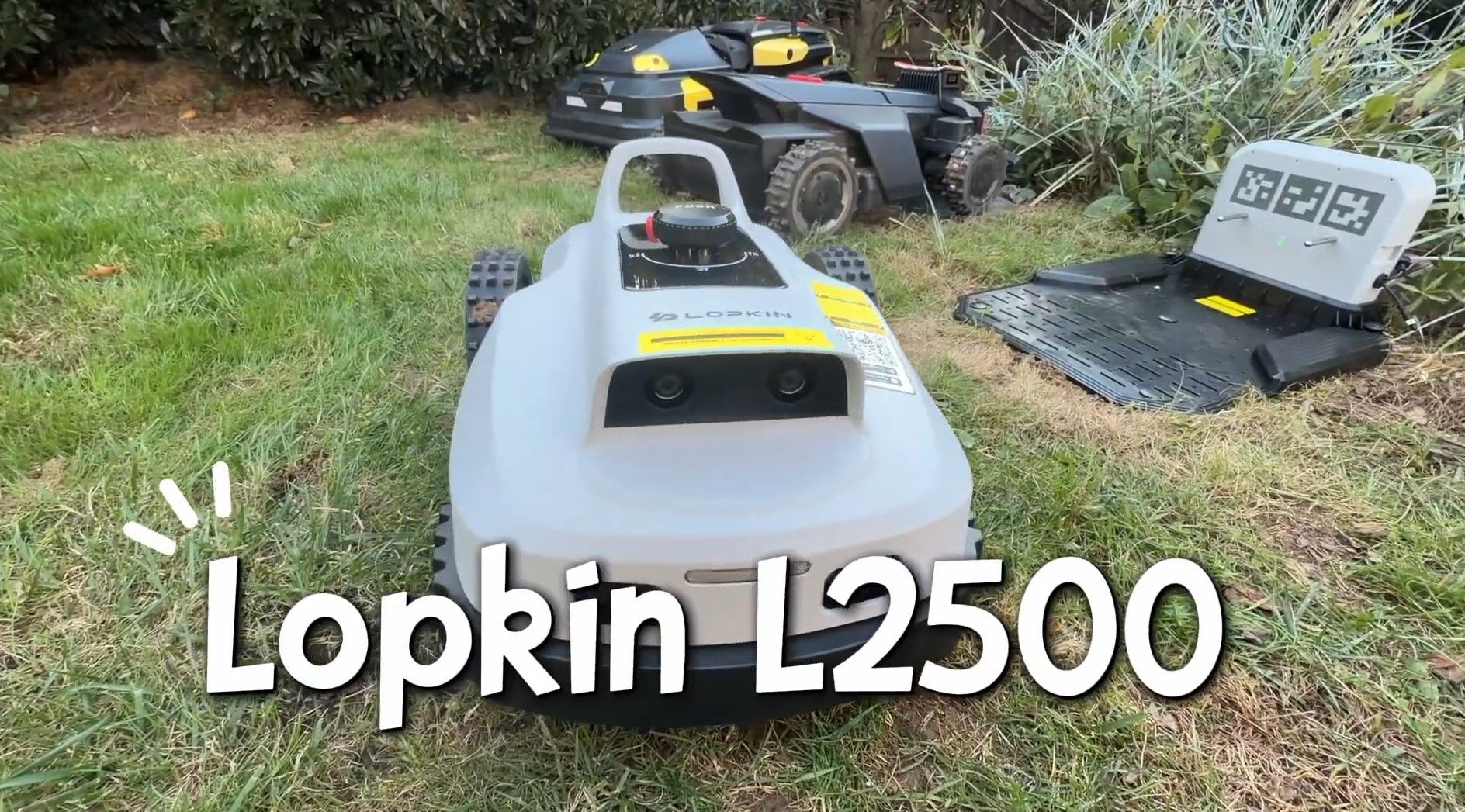 Buying GuidesLopkin L2500 Review: An Affordable 1-Acre Robot Mower With a Tow BarHands-on Lopkin L2500 review: a $1,499 robot mower for flat lawns up to 1 acre that maps your yard with an included tow bar, no phone joystick. What's in the box.
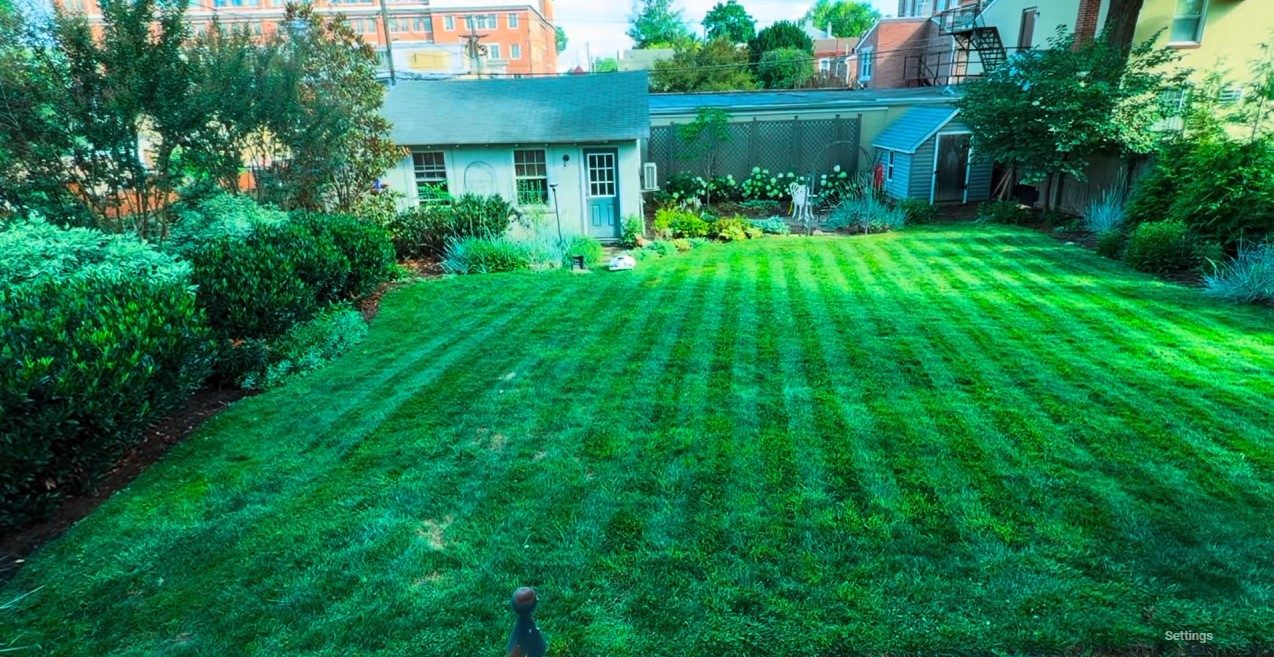 Tips & MaintenanceCan a Robot Mower Make a Bad Lawn Look Good?My lawn had crabgrass, weeds and thin spots, and my robot mower made it look great all summer anyway. Here's how — and why I'm fixing what's underneath this fall.
Explore the system
The mowers and pages behind this topic — see them sized to your yard.