 Lawn Care Automation Lawn Care Automation
 A robot's featherweight daily pass suits fine fescue far better than a heavy weekly mower — less crushing, less tearing, and the tiny clippings disappear into that dense, fine canopy. Below is the honest owner's-manual version — heights, seasons, weeds and all.
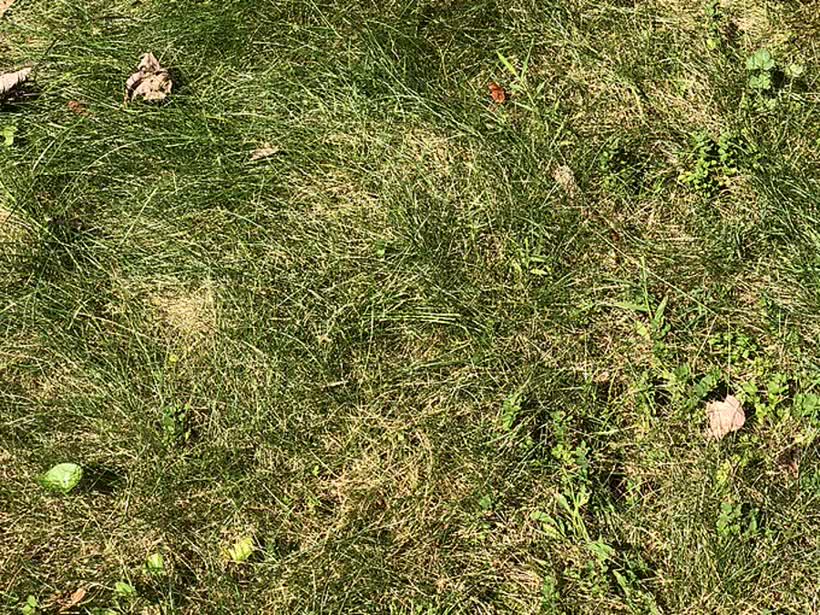
A robot's featherweight daily pass suits fine fescue far better than a heavy weekly mower — less crushing, less tearing, and the tiny clippings disappear into that dense, fine canopy.
📏 The ⅓ rule — Never remove more than a third of the blade in one cut. Cutting deeper shocks the plant, browns the tips and stalls the roots — it's the #1 cause of a lawn that 'looks worse after mowing'. A robot mowing daily removes millimeters, so it simply never gets near the line.
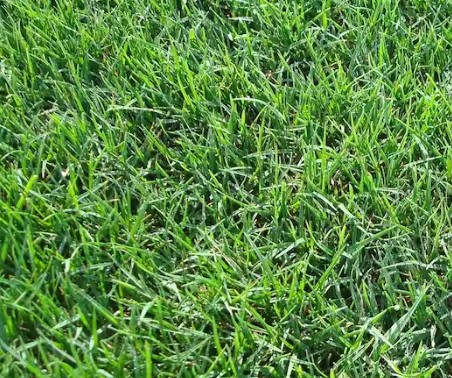
Fine Fescue's hair-thin blades can't store much energy, so it keeps its reserves in height — 2.5–3.5″, taller in shade where every ray counts. It's the one grass that genuinely prefers being left a little long and a little alone.
Pattern note: In the shady areas where fine fescue lives, go gentle: fewer passes, higher cut. It wears down under traffic (wheels included) faster than any other lawn grass.
General guidance for a typical year — your address's exact region (and this month's setting) shows up in the app once your lawn is mapped.
Most lawn weeds spread the same way: grow tall fast, throw up a flower stalk, set seed, repeat. A dandelion needs only days between the yellow flower and the white seed head — time a weekly mow gives it, and a daily robot pass never does. The stalk gets beheaded the day it stands up, so this year's weeds mostly fail to become next year's.
Crabgrass, plantain, and the tall summer seed stalks all play the same losing game against a daily cut. Meanwhile the higher cut we recommend does the second half of the work: a tall, dense lawn shades the soil, and most weed seeds simply can't germinate in the dark.
Honesty note: mowing suppresses weeds, it doesn't erase the ones already established — a deep-rooted dandelion will keep trying from below. But interrupt seeding for a season or two while the grass thickens, and the balance shifts visibly. For stubborn cases, spot treatment plus the robot's daily interruption beats blanket herbicide every time.
The crabgrass zone (Zippy field method): a thick, established crabgrass patch can be killed with the robot alone. Map the patch as its own zone, set that zone's cut height under an inch, and mow it every day until frost. Crabgrass is an annual that lives on leaf and spreads by seed; cut that low that often it can't hold either, and it dies out instead of seeding next year's crop. The good grass in that zone thins too — overseed it in fall, pre-emergent next spring — and the patch doesn't come back. This is what we do on our own lawns, not an extension bulletin; keep the zone to the crabgrass ground.
A weekly mower takes an inch or more off the lawn and leaves clumps you rake or bag. A robot cuts every day, so it only ever removes a few millimeters — clippings so small you'll never see them. That's micro-clipping (you'll also hear 'mulching'), and it's not a side effect: it's a feeding program.
Grass blades are roughly four-fifths water and the rest is largely the nutrients the plant just built — nitrogen especially, with potassium and phosphorus along for the ride. Micro-clippings drop between the standing blades, break down within days, and hand those nutrients straight back to the roots. Over a season that's commonly estimated at up to a quarter of a lawn's yearly nitrogen needs — fertilizer you didn't buy, spread perfectly evenly, every single day.
“Fading and thinning in hot, humid mid-summer” — usually means heat stress — fine fescue is the least heat-proof northern grass. Raise the cut, ease off water-in-the-evening habits (fungus bait), and let fall bring it back.
“Whitish or tan FRAYED tips a day or two after cutting” — usually means dull blades — the grass is being torn, not sliced, and the wounds dry out pale. Swap in fresh robot blades (2 minutes, a few dollars). This is the most common lawn 'disease' we see — and it isn't one.
That's two of the tells — the full color-diagnostics guide (plus feeding, blade tracking and your region's month-by-month calendar) lives in your free Zippy dashboard once your lawn is mapped.
Map your lawn free (about 2 minutes on satellite imagery) and the platform builds the rest around your actual yard:
Already mapped yours? Log in and open 🌿 My Grass in your dashboard.
Each page lines the model's actual deck range up against Fine Fescue's happy zone — the one spec brochures never do the math on.
 Navimow X430
  LUBA 3 AWD 5000
  Yarbo Y40 Lawn Mower Pro
 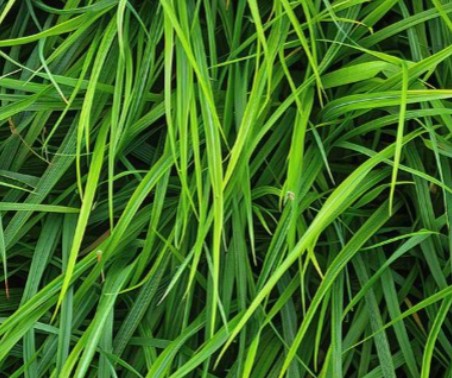 🌿 Tall Fescue
 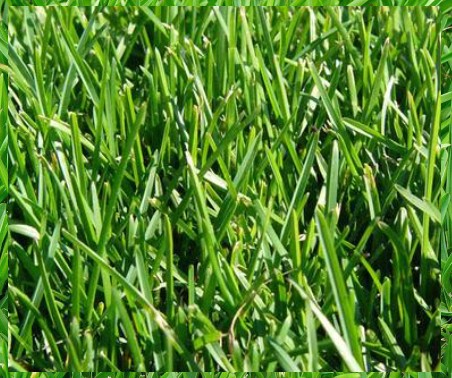 🌱 Kentucky Bluegrass
 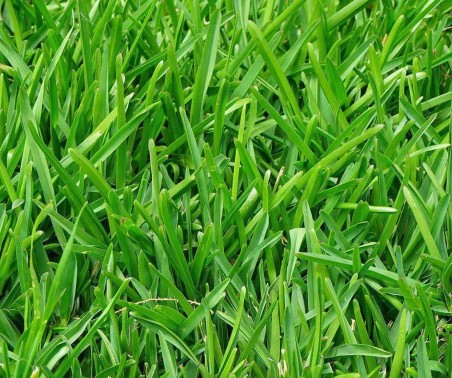 🌾 Perennial Ryegrass
  ☀️ Bermuda